Why Philippines Karaoke Culture Is More Than Just Singing

The Philippines karaoke scene represents a standout phenomenon in a global industry valued at nearly $10 billion. Casual singing sessions might be popular worldwide, but Filipinos have turned karaoke into something that resembles a national sport. A karaoke machine or Magic Sing microphone proudly sits in almost every Filipino household, in these days even a smartphone a small loudspeaker and a microphone is enough to sing karaoke.
The karaoke culture reaches every corner of the Philippines, from bustling cities to the quietest rural communities. Singing has become woven into Filipino’s popular culture. Their passion creates powerful moments of emotional release and strengthens community bonds. You’ll find singing machines on practically every street across the country’s thousands of islands.
The sort of thing I love about Filipino karaoke is how it has become an essential part of their identity. This piece examines the unique ways people experience karaoke throughout the country and why this simple activity holds such deep emotional and social meaning for millions of Filipinos.
The roots of Filipino karaoke culture
The story of karaoke in the Philippines started with Japanese technology that evolved into something uniquely Filipino. This musical tradition has blended so deeply with the culture that Filipino identity and the love of singing have become inseparable.
How karaoke came to the Philippines
Daisuke Inoue built the world’s first karaoke machine, the Juke-8, in Japan back in 1971 (Wikipedia: wikipedia.org/Daisuke_Inoue). The technology soared to new heights after reaching Philippine shores. Karaoke found its perfect home in the Philippines, where people already treasured singing as their favorite activity.
Karaoke has grown from a simple novelty to become the life-blood of Filipino culture since the 1970s. These machines spread faster throughout the archipelago, from busy city centers to distant villages. Everyone could now perform music, whatever their economic status.
The influence of Roberto del Rosario and the Sing-Along System
Roberto “Bert” del Rosario stands as a key figure in Filipino karaoke history. He created the Karaoke Sing-Along System (SAS) in 1975 (Wikipedia: wikipedia.org/Roberto_del_Rosario). While many credit Daisuke Inoue as karaoke’s inventor, del Rosario actually held the patent for this technology.
Del Rosario brought his musical expertise to his invention as the president of Trebel Music Corporation and founding member of the Filipino amateur jazz band ‘The Executives Band Combo’. His sing-along system featured “minus one” technology that removed vocals from instrumental tracks. The system packed an amplifier speaker, tape mechanisms, optional tuner, and a microphone mixer with voice-enhancing features like echo effects.
The Philippine Supreme Court’s decision favored del Rosario in his 1990s legal battle against Japanese companies for patent infringement. This legal win secured his legacy in karaoke history.
Why singing is deeply embedded in Filipino identity
Filipino’s musical talent caught the attention of European explorers long before modern karaoke machines existed. Venetian scholar Antonio Pigafetta noted in the 16th century that Filipinos “played so harmoniously that one would believe they possessed good musical sense”. Spanish colonial official Antonio de Morga called Filipinos a “singing nation“.
Music runs through every part of Filipino life today. People sing at family gatherings, celebrations, and even funerals. Music exceeds economic barriers—anyone can open their mouth and sing, making it available entertainment in a country that often faces economic challenges.
Filipino children grow up surrounded by singing. Shows like “Tawag ng Tanghalan”, which started in 1954, have launched many singing careers and still captivate audiences today. Filipino singers’ success worldwide—from Lea Salonga to Arnel Pineda—has strengthened singing as a path to success and national pride.
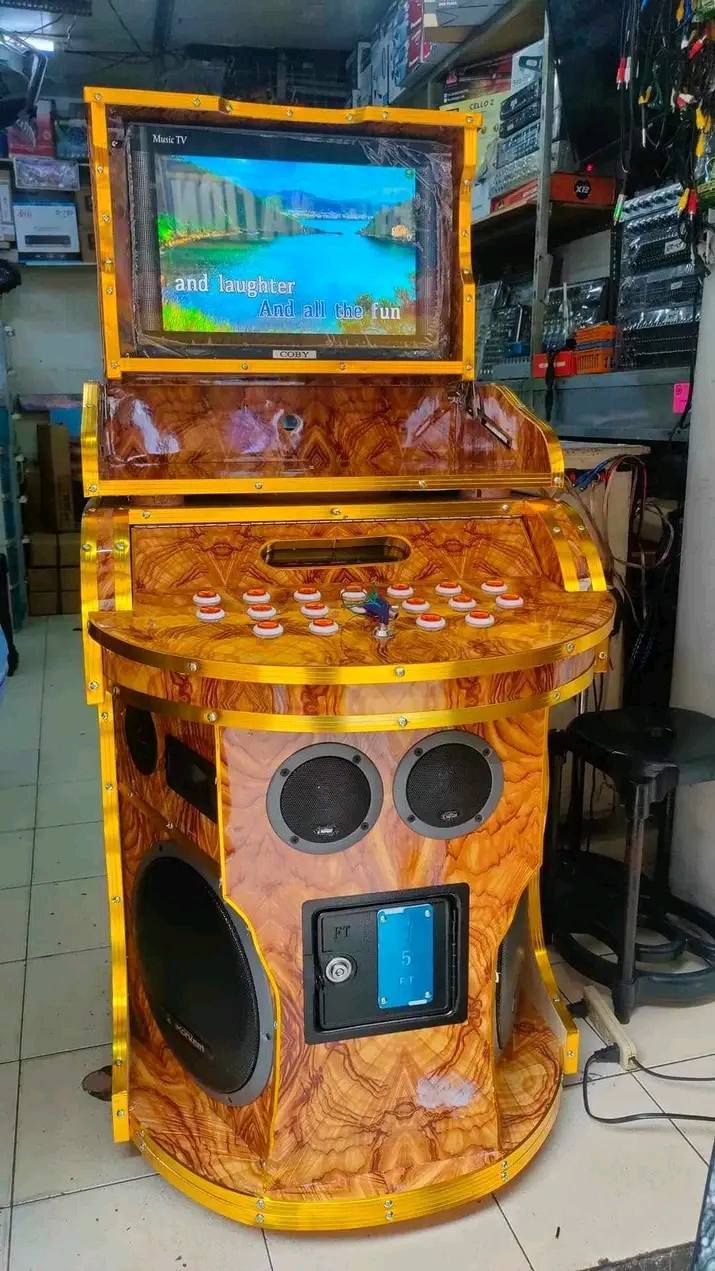
Different ways karaoke is experienced in the Philippines
Karaoke has spread through every corner of Filipino life, from busy cities to distant villages. This beloved activity creates unique experiences for singers of all ages throughout the archipelago.
Home karaoke setups and Magic Sing
Filipino households typically own some form of karaoke equipment. The Magic Sing microphone stands out as an iconic device that turns any television into an instant karaoke machine. These portable units come loaded with thousands of songs and feature scoring systems that reward enthusiastic performances generously.
Today’s home karaoke systems offer smooth connectivity with WiFi and smartphone integration. Many families find buying a home karaoke set more economical than regular visits to karaoke bars. These systems not only entertain but also work as makeshift sound systems during gatherings.
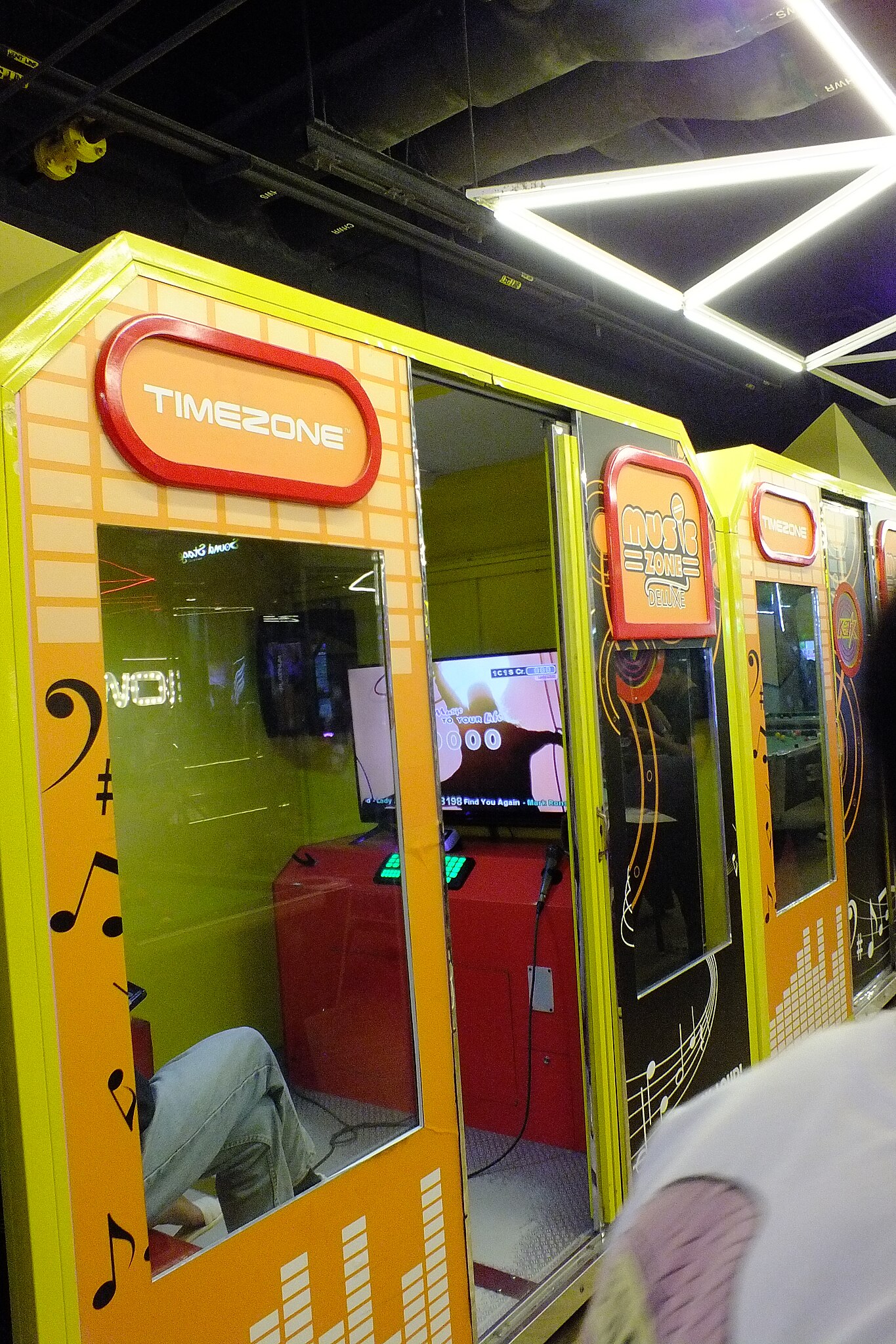
KTV bars and private rooms
The Philippines features an impressive range of karaoke establishments (KTV = Karaoke Television):
- Family KTVs: Wholesome venues that serve food and singing in private rooms for all ages
- High-end KTV lounges: Comfortable private rooms with air conditioning and full-service menus
- Regular karaoke bars: Relaxed spots where people enjoy drinks before public performances
Manila’s major malls house entertainment areas with rentable KTV rooms, making singing available even during shopping trips.
Public karaoke and street-side singalongs
Karaoke runs on more than homes and dedicated venues. Portable machines let people sing anywhere—even on remote hilltops surrounded by palm trees. Song prices start at five pesos (nine US cents), allowing people from all backgrounds to enjoy a brief musical escape.
Street-side singalongs show karaoke at its most democratic level. Neighbors gather around makeshift setups and engage in friendly yet competitive performances.
.jpg)
Karaoke in rural vs. urban areas
Karaoke’s popularity reaches well beyond city limits. Families in remote provinces manage to keep their karaoke machines running despite frequent power outages. A traveler in Sorsogon province found that residents kept their beloved karaoke setups even while living in bamboo huts with unreliable electricity.
Urban areas offer sophisticated KTV lounges and themed rooms, while rural karaoke emphasizes community gatherings over amenities. The Philippines’ love for singing surpasses any setting or circumstance.
More than music: The emotional and social power of karaoke
Karaoke means more than just entertainment in Filipino culture – it’s the life-blood of daily life. This beloved activity goes beyond simple performance and provides deep psychological and social benefits that explain why it matters so much.
Karaoke as a form of emotional release
Singing works like powerful therapy for many Filipinos. People can express their feelings through music with karaoke, whether they’re happy or sad. The emotional release helps them deal with life’s challenges and gives them a break from daily worries. “Need to belt out a breakup ballad? Go for it!”. Singing gets the brain working while it releases tension and stress.
How it strengthens family and community bonds
Karaoke naturally brings people together. These singing sessions build stronger social connections between people of all ages and backgrounds. They create a sense of belonging that’s vital for emotional health. Family time around a microphone isn’t just fun – it creates bonding rituals and lasting memories. Karaoke works as “a catalyst for community bonding, bringing people together in shared moments of joy and harmony”.
The role of karaoke in celebrations and milestones
The most important Filipino celebrations always include karaoke. People sing at birthdays, holidays, company events, and even funerals. This musical tradition makes special moments better by turning “ordinary gatherings into lively celebrations filled with laughter and music”. Karaoke becomes the “secret ingredient for an enjoyable night in the Philippines”.
Confidence and self-expression through singing
Karaoke helps personal growth by creating safe spaces to express yourself. Many Filipinos start singing in front of others when they’re young, which “promotes confidence and social skills”. Everyone can join in, whatever their talent level—”you don’t have to be great; you just have to be present”. People find their voice through karaoke, both literally and figuratively. They experience joy when they share their authentic selves with others.
The global impact and cultural pride of Filipino karaoke
Filipino singing talent appeals well beyond the shores of the archipelago and creates waves in the international music scene. The Philippines now holds the distinction of being the No. 1 country with the best singers according to global rankings.
Filipino singers on the world stage
Global audiences consistently pay attention to Filipino vocal talent. Rock band Journey found Arnel Pineda in 2007. He was a Filipino cover band performer who gave the legendary group a new spark of life. His success story stands as one example among many others (Arnel Campaner Pineda – wikipedia.org/Arnel_Pineda).
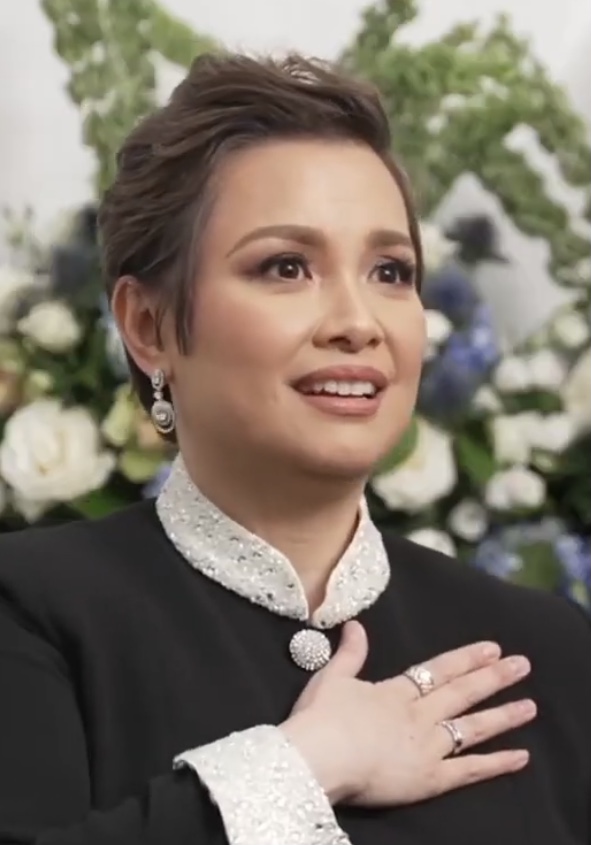
Other notable Filipino artists who have achieved international acclaim include:
- Lea Salonga, who won prestigious Tony and Olivier awards and voiced Disney princesses
- Sofronio Vasquez, the first Filipino and only Asian to win ‘The Voice’
- Filipino-American artists like Olivia Rodrigo, who has dominated global charts
Karaoke as a cultural export
Japan created the first karaoke machine. However, Filipino inventor Roberto del Rosario’s patent for the Karaoke Sing-Along System in 1975 shows singing’s deep connection to Filipino identity. Filipino karaoke performances often become international viral sensations. Zendee Tenerefe’s rendition of “I Will Always Love You” caught over 26 million viewers’ attention and earned her an invitation to “The Ellen DeGeneres Show”.
How overseas Filipinos keep the tradition alive
Karaoke is a vital link to heritage for the Filipino diaspora. Filipino communities worldwide—especially Dubai’s hundreds of thousands of Overseas Filipino Workers—keep karaoke thriving. Overseas Filipinos maintain this tradition whatever their location. A Filipino abroad shares: “When my father worked abroad, he bought us a karaoke machine to feel close to us. Through his favorite songs, their family felt his presence even from miles away”. Karaoke serves as a cultural thread that connects Filipinos worldwide to their roots.
Conclusion
Karaoke beats at the heart of Filipino social life. What started as imported technology has evolved into a powerful expression of national identity. This musical tradition now connects people across economic divides and generations, giving every Filipino a voice to express themselves.
The transformation from a Japanese invention to the life-blood of Filipino culture shows how music appeals to the Filipino spirit. Roberto del Rosario’s innovative work with the Sing-Along System helped establish this tradition, building on Filipinos’ natural musical talents throughout history. People come together through music in family gatherings, street parties, and high-end KTV lounges. On top of that, karaoke helps people unwind after long workdays as singers express their emotions through favorite ballads or upbeat classics.
This singing culture has spread beyond Philippine shores. Filipino singers have gained worldwide recognition while overseas workers keep these musical traditions alive to stay connected with their homeland. Karaoke symbolizes more than entertainment—it embodies Filipino resilience, joy, and community spirit.
The next time a karaoke machine plays somewhere in the Philippines—from a tiny rural home to a bustling city bar—you’ll witness more than simple recreation. You’ll see a cultural phenomenon that brings people together. Filipino karaoke’s magic lives in these shared moments that create lasting memories and strengthen bonds across oceans and generations.
FAQs
Q1. Why is karaoke so popular in the Philippines?
Karaoke is deeply embedded in Filipino culture due to the nation’s love for music and singing. It serves as a form of emotional release, strengthens family and community bonds, and is present in almost every celebration. The accessibility of karaoke machines in homes and public spaces has made it a ubiquitous part of Filipino life.
Q2. How does karaoke impact Filipino society?
Karaoke plays a significant role in Filipino society by fostering community bonding, providing emotional outlet, and serving as a catalyst for social gatherings. It brings people together across generations and backgrounds, creating shared moments of joy and harmony in various settings, from family gatherings to neighborhood fiestas.
Q3. Is there a difference in karaoke culture between urban and rural areas in the Philippines?
While karaoke is popular throughout the Philippines, there are some differences between urban and rural areas. Urban areas often feature sophisticated KTV lounges and themed rooms, while rural karaoke emphasizes community gathering. Even in remote provinces with unreliable electricity, families prioritize having karaoke machines, showcasing its importance in Filipino culture.
Q4. How has Filipino karaoke culture influenced the global music scene?
Filipino karaoke culture has had a significant impact on the global music scene. Many Filipino singers have achieved international acclaim, and the Philippines is recognized as one of the top countries for producing talented vocalists. The country’s karaoke tradition has also become a cultural export, with videos of Filipino karaoke performances often going viral internationally.
Q5. What role does karaoke play for overseas Filipinos?
For the Filipino diaspora, karaoke serves as a crucial link to their heritage. Overseas Filipino communities often use karaoke to maintain their cultural traditions and stay connected to their roots. It provides a sense of home and community for Filipinos living abroad, helping them share their culture with others and keep their musical traditions alive.
10 Must-Try Filipino Food Secrets: From Adobo to Lechon
Any Questions?
If you have any questions, please use the contact form. I will be happy to answer them.