8 Best Philippines Diving Sites: From Beginner to Pro in 2025

The Philippines’ stunning blue waters stretch across more than 7,000 islands in the Coral Triangle. Philippine dive tourism has reached new heights in 2025, with ADEX 2025 in Singapore generating an impressive PHP 151.8M in potential business.
The country boasts 295 dive sites that range from world-class locations like Tubbataha Reefs to hidden spots like Anilao. These waters welcome everyone – advanced divers can explore wrecks in Coron Bay, underwater photographers can capture macro subjects, and beginners can take their first plunge. This tropical paradise stands among the world’s premier scuba diving destinations.
Tubbataha’s marine biodiversity showcases the Philippines’ underwater treasures. The site hosts more than 600 fish species, 360 coral species (about 50% of all coral species worldwide), 11 shark species, and 13 dolphin and whale species. Yet this represents just one location! From Moalboal’s sardine runs to Coron’s dramatic limestone cliffs, we’ll guide you through the 8 best diving sites this magnificent archipelago offers in 2025.
Tubbataha Reefs Natural Park

The crown jewel of Philippines diving sits in the middle of the Sulu Sea – Tubbataha Reefs Natural Park. Protected since 1988, this UNESCO World Heritage site covers nearly 100,000 hectares of pristine marine habitat. The site ranks among the most remote and untouched diving locations in the Philippines. The Samal language gave us the name “Tubbataha,” which means “long reef exposed at low tide” – a perfect description of this remarkable marine sanctuary.
Marine life at Tubbataha Reefs
The biodiversity here will take your breath away. These waters teem with more than 600 fish species, 360 coral species (all but one of these corals found in the Philippines), 11 shark species, and 13 dolphin and whale species. These reefs also support the world’s highest known population of white tip reef sharks.
Tubbataha stands out as a sanctuary for threatened marine life. The park serves as a vital home to 181 endangered species, including:
- Green and hawksbill sea turtles (both endangered)
- Critically endangered Christmas Island frigatebirds
- Thresher, tiger, hammerhead, and whale sharks
- Manta rays and eagle rays
The underwater landscape will amaze you with dramatic walls (some plunge 100 meters straight down), vibrant coral gardens, and cleaning stations that showcase nature’s fascinating symbiotic relationships. A single dive might bring encounters with whale sharks, dogtooth tuna, marbled stingrays, and schools of jacks so big they look like silver rivers.
Dive conditions at Tubbataha Reefs
Liveaboard boats provide the only way to reach this remote location. This isolation has kept the reefs safe from overexploitation and damage, creating an underwater paradise for divers.
Most divers feel comfortable with a 3mm wetsuit as water temperatures range from 26°C to 30°C (78°F to 85°F). Crystal-clear waters offer exceptional visibility from 30 to 45 meters (98 to 148 feet), letting you see the full splendor of the underwater world.
Keep in mind that strong currents flow through some dive sites. Liveaboards suggest intermediate to advanced diving skills, and some operators want divers to have at least 50 logged dives. The North and South Atolls present different conditions. Sites like “Washing Machine” earn their name with powerful currents that draw sharks and other pelagics.
Best time to dive at Tubbataha Reefs
Tubbataha welcomes divers from mid-March through mid-June. This window matches the dry season when calm seas and clear skies prevail. Monsoons and rough seas close the park to visitors outside these months.
This schedule serves two key purposes. Divers stay safe by visiting during the best conditions. The reef ecosystem gets time to recover, resulting in abundant marine life when the season starts again. Smart divers book their trips well ahead since liveaboards fill up fast, especially during Easter and Asian “Golden Week” holidays. Seas become particularly calm around mid to late April – the sweet spot for diving.
Puerto Princesa serves as the gateway, with boats taking 10-12 hours to reach Tubbataha. Every minute spent traveling rewards you with spectacular underwater encounters. Tubbataha’s pristine reefs and incredible biodiversity offer the most unmatched experience that ever spread through the Philippines’ diving community.
Check the schedules and availability of Tubbataha National Park Liveaboards.
Anilao, Batangas

You’ll find Anilao, Batangas just a three-hour drive south of Manila. This underwater photographer’s paradise is one of the most available diving spots in the Philippines. The location gives you a chance to enjoy world-class diving through convenient day trips, unlike Tubbataha that needs liveaboard trips. Weekend warriors and dedicated underwater enthusiasts will feel right at home here.
Marine life at Anilao
Anilao’s incredible biodiversity has earned it the nickname “Capital of Nudibranchs.” These waters are home to 600 out of 800 nudibranch species identified worldwide. The area hosts 863 species of nudibranchs and their relatives – the highest count anywhere on Earth. More than half of these species can’t be found anywhere else.
These waters offer much more than colorful sea slugs. Here’s what you might spot:
- Frogfish species including giant and hairy varieties
- Five types of octopus including blue ring, coconut, and wunderpus
- Flamboyant cuttlefish and various seahorse species
- Rare crustaceans, shrimps, and crabs
- Rhinopias (a rare scorpionfish)
Reef lovers won’t be disappointed. The waters showcase impressive hard and soft coral gardens, large schools of jacks, and you might see turtles, reef sharks, giant seahorses, and barracuda. Mainit point’s stronger currents attract up to four great barracuda that hunt with giant and bluefin trevally.
Dive conditions at Anilao
Anilao’s 50-plus dive sites welcome divers of all skill levels with depths from 5-30 meters. The area features:
- Macro and muck diving sites: Secret Bay and Anilao Pier are perfect spots for photographers who love tiny critters
- Coral reefs: Twin Rocks showcases two large boulders and healthy reef teeming with marine life
- Wall dives: Kirby’s Rock presents a spectacular vertical wall covered in corals and sponges
- Wreck dive: Daryl Laut, once a floating casino, now attracts coral life and schools of batfish
- Blackwater diving: A unique night diving experience in deep waters with LED lighting rigs
Water temperatures range from 26-30°C (79-86°F), dipping to 25°C (77°F) in January and February. Visibility reaches 10-30 meters (33-98 feet), typically hovering around 15 meters (40-50 feet).
Small open boats called “bangkas” take divers to their destinations. These comfortable vessels accommodate up to four divers plus crew. Most dive sites are just 10-25 minutes from resorts. This quick access lets you enjoy two morning dives, rest up, and complete two more dives later in the day or evening.
Best time to dive at Anilao
The diving season peaks from October to early June. December to April brings the best conditions – picture-perfect tropical weather and calm seas. November/December and April/May stand out as the prime months for visibility and diving conditions.
January through March’s cooler waters create perfect conditions for critters and juvenile marine life. These months also give you the best chance to experience blackwater diving and maybe even spot a nautilus.
Late June to November brings wind and heavy rains that make diving challenging. The monsoon hits hardest in July and August, but you can still access many dive sites year-round. The good news? You’ll find critters whatever the season.
Moalboal, Cebu
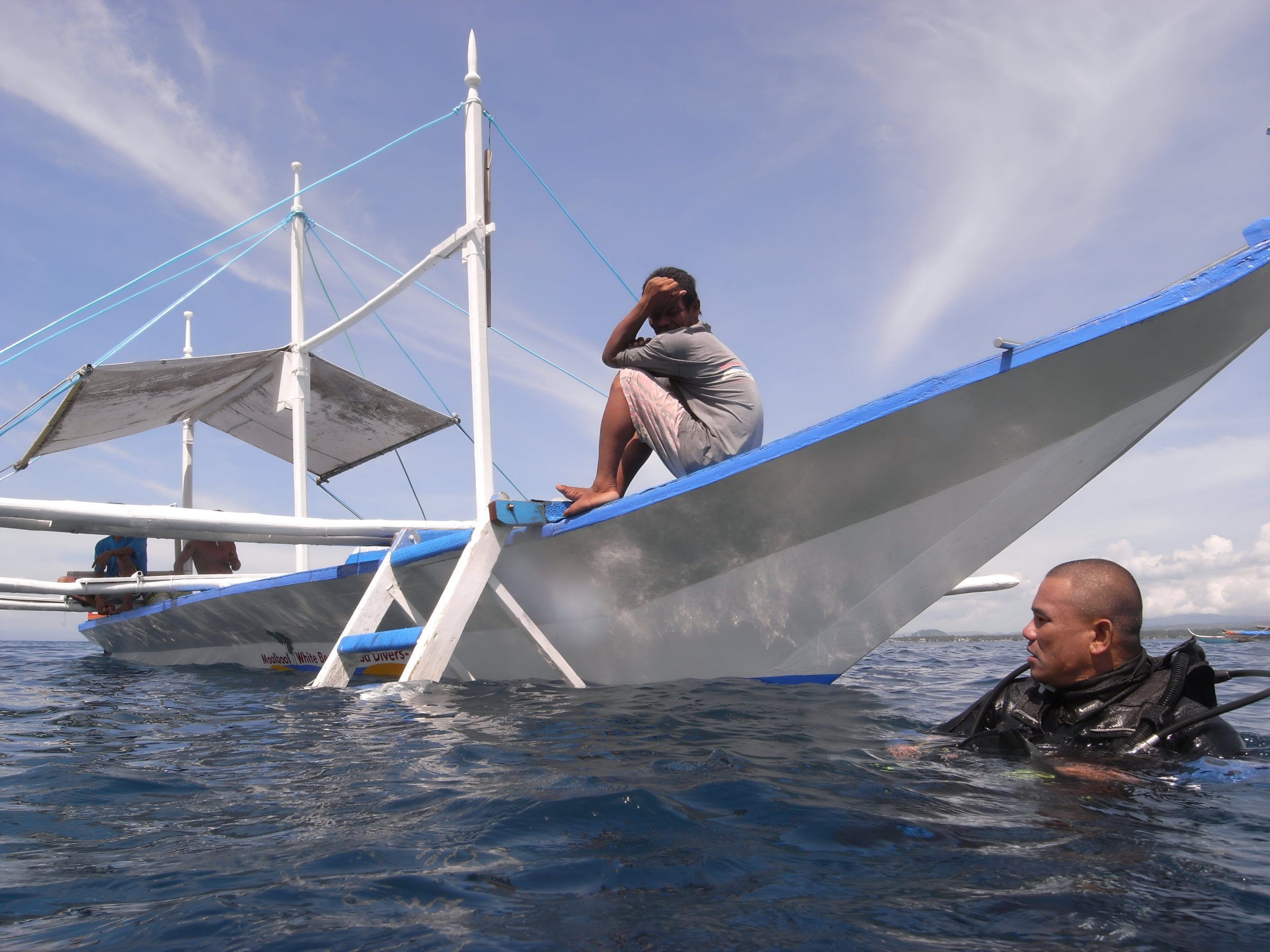
Moalboal, located off Cebu’s southwestern coast, boasts one of the Philippines’ most spectacular underwater shows – a massive sardine run you can watch all year round. Unlike seasonal sardine migrations elsewhere, this natural wonder happens daily near Panagsama Beach and is available to both divers and snorkelers.
Marine life at Moalboal

The enormous sardine ball stands out as the main attraction. This shimmering, silver mass of fish creates an ever-changing underwater ballet just meters from shore. These sardines, estimated at up to 900,000, form a breathtaking spectacle. The sight also draws hunters like tuna, jacks, and sometimes thresher sharks that zip through the bait ball.
Moalboal’s rich biodiversity extends beyond sardines:
- Sea turtles thrive here, with green and hawksbill species often seen resting on reefs or swimming gracefully to the surface
- Banded sea kraits (sea snakes) hunt around the reefs. Though their venom could kill ten humans, these creatures stay docile and safe to observe
- Frogfish call Pescador Island their home, with two large purple specimens always perched on the same sponge corals
You might spot schools of barracuda, jacks, reef sharks, ghost pipefish, leaf fish, and beautiful nudibranchs across various dive sites.
Dive conditions at Moalboal
Dramatic walls start just meters from shore and drop straight down to 60-70 meters. Moalboal features 16 dive sites, including 14 wall dives, 13 reef dives, and 8 drift dives.
Pescador Island sits just 3 kilometers west of Panagsama Beach and shines as Moalboal’s diving crown jewel. This small islet features vertical walls that plunge to 70 meters, adorned with massive gorgonian fans and black corals. The Cathedral Cave stands out with its amazing swim-throughs and reef-splitting tunnels.
Experienced divers can take on Sunken Island – an underwater pinnacle whose summit lies 25 meters below the surface. Beginners have plenty of options too, including an airplane wreck placed as an artificial reef over three decades ago.
Best time to dive at Moalboal
December through April offers the best diving during dry season. Divers enjoy sunny skies, calm waters and excellent visibility. The water feels slightly cooler in January and February, sometimes reaching 25°C.
Water temperatures usually range from 26-30°C throughout the year. Most divers feel comfortable with minimal protection – a 3mm wetsuit, shorty, or even no wetsuit. Most sites have mild currents or none at all. Sunken Island can get strong currents and suits only experienced divers.
The rainy season from June to October brings slightly lower visibility and choppier waters, but diving conditions stay generally good. The sardines remain present whatever the season, making Moalboal worth visiting any time.
Malapascua Island

Malapascua Island is the holy grail for thresher shark lovers looking to explore the Philippines’ underwater world. This tiny island north of Cebu is the only place in the world where thresher sharks can be seen daily. It’s a must-visit spot for underwater adventurers who want to meet these mysterious creatures with their distinctive long tails.
Marine life at Malapascua
Thresher sharks rule the waters of Malapascua. You’ll spot them by their incredibly long tails that match their body length. These magnificent creatures moved to Kimud Shoal from their original spot at Monad Shoal. The shallower waters here mean you’re almost guaranteed to see them throughout the year.

The island’s waters are teeming with other amazing marine life:
- Tiger sharks and Tresher sharks show up at Monad Shoal
- Whitetip reef sharks, bamboo sharks, and cat sharks call Gato Island home
- Hammerhead sharks make appearances (mostly January to April)
- Several ray species including manta, devil, marble, and eagle rays
- Seahorses (five species with the rare Denise Pygmy Seahorse among them)
Gato Island leaves its mark on every diver’s heart. This marine reserve and sea snake sanctuary lets you watch banded sea kraits hunt through beautiful purple and dusty rose soft corals. The island is also one of the rare places where you can see psychedelic mandarinfish perform their mating dance during special sunset dives.
Dive conditions at Malapascua
The waters around Malapascua welcome divers of all skill levels. Many local spots stay quite shallow, making them perfect for certification. The signature thresher shark dives need Advanced Open Water certification since they go down to 18-20 meters.
Water stays warm at 27-30°C (80-86°F) most of the year. December through February might see it cool down to 25-26°C (77-79°F). The water clarity peaks from January to April with visibility reaching 15-25m (50-80ft). November and December can get murky with visibility dropping to 5 meters.
The island offers diverse diving spots:
- Monad Shoal and Kimud Shoal serve as cleaning stations for pelagics
- A 5-10m deep tunnel at Gato Island buzzes with marine life
- Wreck diving opportunities at Lighthouse (WWII Japanese landing craft) and Dona Marilyn (passenger ferry)
- Macro sites that photographers love for nudibranchs, octopus, and rare crustaceans
Best time to dive at Malapascua
Thresher sharks show up year-round in Malapascua. The dry season from December to April offers great conditions. February through April brings the perfect mix of clear water, calm seas, and frequent thresher shark sightings.
The best overall diving happens from January through April. March to May rewards divers with blue skies, bright sun, and nearly perfect conditions. Schooling hammerheads put on their best show during April and May.
Thresher shark dives start early – you’ll meet at 4:00-4:15 AM before taking an hour-long boat ride to the site. The early wake-up call pays off when you see at least one thresher shark, usually two or three, nine times out of ten!
Malapascua stands out because it’s so reliable. While other spots might give you rare glimpses of threshers, this island almost guarantees encounters with these magnificent creatures on every dive. That’s why it ranks among the Philippines’ top scuba diving destinations.
Coron Bay and Apo Reef

The Philippines’ underwater world offers two amazing diving destinations: Coron Bay with its mysterious WWII wrecks and the wild Apo Reef. These spots give divers a chance to explore both human history and nature’s wonders beneath the waves.
Marine life at Coron and Apo Reef
Japanese ships that sank during WWII have become Coron Bay’s unexpected marine sanctuaries. These underwater time capsules now house amazing marine life. You’ll find countless nudibranchs, crabs, shrimps, and other crustaceans making their home here. Rays, turtles, and reef sharks patrol the sandy bottom as you explore these historic vessels. Schools of fusiliers, sweetlips, batfish, yellow-tailed snapper, and angelfish create living walls of color around you.
Apo Reef stands as the second-largest contiguous coral reef in the world after Australia’s Great Barrier Reef. This protected marine park is a natural wonder that features:
- Over 400 coral species that create vibrant underwater gardens
- About 500 fish species including sharks, turtles, and bumphead parrotfish
- Regular visits from manta rays, eagle rays, and various pelagic species
Scientists have found nearly 500 species of coral and invertebrates in Apo Reef Natural Park. This makes it one of the Coral Triangle’s richest biodiversity spots.
Dive conditions at Coron and Apo Reef
Water temperatures here range from 79-88°F (24-31°C) and get warmer in summer. You’ll find visibility changes from 23 to 100ft (7 to 30m) based on tides and currents. Winter usually brings clearer waters.
Most dives happen between 50-131ft (15-40m). The sites work well for everyone from beginners to advanced divers and snorkelers. Both locations have shallow areas and deeper sections. Apo’s northeast walls drop down to 80 meters, while some Coron wrecks need proper experience and training to explore.
Shark Ridge at Apo Island lets you reliably spot sharks, while underwater pinnacles like Hunter’s Rock and Merope Rock attract lots of pelagic action. New divers will love Pandan Island’s peaceful drifts over colorful coral gardens.
Best time to dive at Coron and Apo Reef
You can dive year-round in the Philippines, but each area has its best seasons. The dry season runs from November through May with little rain and hot, humid weather – perfect for diving these spots.
Apo Reef shines from December through May with clear waters and calm seas. March through May are especially good for diving. The water stays between 26-31°C during these months.
The wet season (May to October) brings warmer waters and fewer tourists. Typhoons might show up from July to September, but they’re not common.
Many divers choose liveaboard trips that visit both sites, letting them explore historic wrecks and pristine reefs in one adventure.
Puerto Galera, Mindoro

Puerto Galera, the official “Diving Capital of the Philippines,” sits on Mindoro Island. Its beautiful white sand beaches and rich underwater world make it a UNESCO-protected “biosphere reserve.” The location’s proximity to Manila makes it an ideal diving destination.
Marine life at Puerto Galera
The waters around Puerto Galera are home to 95% of the world’s coral species. The underwater view is breathtaking. Let’s take a closer look at what you might see:
- Colorful nudibranchs thrive here in amazing numbers—the Verde Island Passage has more than a thousand named species
- Thresher sharks show up at sites like Kilima Steps during colder months from November through April
- Turtles (both green and hawksbill) swim through the crystal-clear waters
- Frogfish of various colors and sizes blend with corals
- Cephalopods like octopuses, squids, and cuttlefish show off their color-changing skills
The UNESCO-protected site features giant clams that weigh 100-120 kilograms. Tiny pygmy seahorses, smaller than an inch long, show Puerto Galera’s incredible diversity.
Dive conditions at Puerto Galera
Water temperatures change throughout the year. They range from 25°C/77°F in winter to over 30°C/86°F in summer. A shorty wetsuit works well in warmer months, but you’ll need a 3-5mm full suit with vest/hood for winter.
You can usually see 15-25 meters (50-80 feet) ahead, and sometimes even 30+ meters (100+ feet). Depths range from 5-50 meters (16-164 feet), which suits divers at every level.
Most resorts are just 15 minutes away from over 30 dive sites. You’ll find dramatic canyons, walls, sloping reefs, and shipwrecks. The area’s unique shape creates varying current strengths that attract big fish like tuna, barracuda, and mackerel.
Best time to dive at Puerto Galera
Blue skies, sunshine, and calm seas make November through May the best time to dive. These months also offer the best underwater visibility.
Afternoon showers become common in June. Rainfall gets heavier from July through September, but Puerto Galera’s sheltered location means diving happens year-round.
The clearest waters appear between June and October. The surrounding islands and mountains shield Puerto Galera from ocean swells and typhoons, making it a reliable diving spot throughout the year.
Dauin, Dumaguete

Dauin, a paradise for muck diving enthusiasts, sits just 20 minutes south of Dumaguete on Negros Island. This Philippine destination stands out from others with its volcanic black sand beaches and remarkable underwater scenery. The area has rapidly emerged as one of the Philippines’ most popular spots for macro photography.
Marine life at Dauin
The volcanic sandy slopes of Dauin serve as perfect nurseries for remarkable marine life. Masaplod sanctuary, located about 1km south of Dauin village, houses an amazing collection of exotic species. Let’s take a closer look at what you’ll find when muck diving here:
- Rare octopus species like mimic, wonderpus, blue-ring, and mototi
- Flamboyant cuttlefish with their eggs
- Several frogfish types including hairy frogfish
- Seahorses, ghost pipefish, and diverse shrimp species
- Abundant nudibranchs and unique crustaceans such as candy crabs
Cars, an artificial reef site, features several wrecks and concrete blocks where lionfish, seahorses, stingrays, and snappers make their home. Boat trips to nearby Apo Island reward you with sightings of turtles, sea snakes, and schools of jacks.
Dive conditions at Dauin
Dauin’s diving landscape includes 17 sites – 15 reef dives, 12 ocean dives, and 11 beach dives. Divers explore volcanic black sand bottoms dotted with coral blocks. These sites slope gently from shore down to 30 meters depth.
The water temperature usually stays around 28°C but can reach 31°C during summer. Winter months, especially late December, might see temperatures drop to 25°C. A 3mm wetsuit should work well throughout the year.
You can expect visibility between 10-20m (30-65ft), with Apo Island offering clearer waters.
Best time to dive at Dauin
The best diving happens from November through June, and December through April brings the driest weather. October holds special appeal as octopus mating season arrives!
The rainy season runs from July through September, but showers rarely last more than a couple hours. October proves excellent for octopus spotting, despite falling in the rainy season.
Anda, Bohol

Anda sits quietly on Bohol’s eastern coast and remains one of the Philippines’ best-kept diving secrets. The town’s pristine beaches and remarkable biodiversity create a perfect balance with beautiful reefs and impressive marine life just off its coast.
Marine life at Anda
Anda competes with Dumaguete as the “sea turtle capital of the world.” Divers can spot up to 28 turtles in a single dive! Green and hawksbill turtles live here permanently. You’ll often see them resting on reefs or swimming gracefully toward the surface. The area’s small marine creatures are amazing. Several dive sites host pink and white Bargibanti pygmy seahorses. Blue-ring octopus, hairy frogfish, and tiger shrimp call these waters home. The waters teem with over 200 species of nudibranchs in countless sizes and colors.
Whale sharks visit these waters from December through April. A newly found whale shark gathering spot lies about 60km away. Divers can reach it through a day tour.
Dive conditions at Anda
Anda features 22 dive sites. These include 20 reef dives, 18 ocean dives, and 18 wall dives. The underwater world showcases pristine coral reefs with vertical walls. Sponges, corals, and sea fans cover these walls abundantly. Water stays between 27-30°C throughout the year. Most divers feel comfortable in a 3mm wetsuit with a hooded vest. The visibility ranges from 10-40m based on location and season.
Divers can reach most sites quickly – just 2-10 minutes from resorts. Many locations have spectacular house reefs right offshore.
Best time to dive at Anda
March to June brings the dry season with hot weather, little rain, and calm seas. These conditions suit divers of all skill levels. The “amihan” (northeast wind season) arrives from November to February with steady breezes and choppier seas.
Peak season runs from December to April. Macro photography enthusiasts prefer January to May. December through July offers rich macro-life and better chances to see migrating whale sharks.
Conclusion
These 8 breathtaking diving destinations show why the Philippines is a true underwater paradise. Tubbataha’s pristine UNESCO-protected reefs and Anilao’s macro photography heaven make this tropical nation special for every diver.
The Philippines’ incredible diversity sets it apart. You might find yourself watching rare thresher sharks in Malapascua today and swimming through historic WWII wrecks in Coron tomorrow. Of course, very few places on earth pack so many world-class diving experiences into one country.
The year-round diving opportunities make these sites even more special. Each location has its peak season, but you can plan an amazing underwater adventure any month. The warm waters teem with marine life whatever time you visit.
Spots like Dauin and Puerto Galera welcome beginners with their shallow reefs and gentle conditions that provide perfect training grounds. Experienced divers can test their skills on Moalboal’s deep walls or Malapascua’s current-swept cleaning stations.
These diving treasures are surprisingly easy to reach. Most sites are just minutes from shore, so you can do multiple dives daily without long boat trips. The value for money here is nowhere near what you’d pay at other world-class diving destinations.
The Philippines has become the heart of the Coral Triangle, and with good reason too. Your underwater adventures could last a lifetime with over 7,000 islands to explore and hundreds more dive sites beyond our list. These crystal-clear waters will keep calling you back, whether you love tiny nudibranchs or massive whale sharks.
Pack your dive gear, check the season chart, and plan your Philippine diving adventure. The underwater wonders beneath these turquoise waves will create memories to last forever.
FAQs
Q1. When is the best time of year to go scuba diving in the Philippines?
The best time for diving in the Philippines is generally from December to June. This period offers optimal weather conditions in the north of the Philippines, with clearer visibility and calmer seas. However, there is not one climate in the Philippines, please read Unpacking the Philippines’ Climate
Q2. Which diving destination in the Philippines is most suitable for beginners?
Puerto Galera is an excellent choice for beginner divers. It offers over 30 dive sites within short distances from resorts, accommodating various skill levels. The area’s sheltered location provides calm waters, and its rich marine biodiversity offers exciting experiences even in shallower depths.
Q3. What makes Malapascua Island a unique diving destination?
Malapascua Island is renowned as the only place in the world where thresher sharks can be seen daily. This makes it a bucket-list destination for divers seeking these elusive creatures. Additionally, the island offers opportunities to see other pelagic species like hammerhead sharks and manta rays.
Q4. What type of marine life can I expect to see while diving in Anilao?
Anilao is a macro photographer’s paradise, famous for its incredible biodiversity. You can expect to see a wide variety of nudibranchs (with 600 species recorded), rare octopus species, frogfish, seahorses, and various crustaceans. The area is particularly known for its “muck diving” opportunities.
Q5. How does diving in Tubbataha Reefs differ from other Philippine diving destinations?
Tubbataha Reefs Natural Park is a UNESCO World Heritage site only accessible via liveaboard boats. It offers some of the most pristine diving in the Philippines, with over 600 fish species and 360 coral species. The park’s remote location and protected status contribute to its exceptional marine biodiversity and visibility.
Tubbataha National Park Liveaboards
PADI: Best Diving Destinations in the Philippines
Dive Into Paradise: Your No-Stress Guide to Scuba Diving the Philippines
This is the ultimate, 245-page digital guidebook to planning an epic, seamless dive trip. Created by a local Filipina expert with 10+ years of experience, it provides in-depth guides for 21 destinations, including must-dive sites, local tips, and all essential travel logistics.
Stop researching, start diving! Get your all-in-one guide for just $29.99 and dive into paradise with confidence: Dive into Paradise.
Any Questions?
If you have any questions, please use the contact form. I will be happy to answer them.