
Fruit Trees of the Philippines: A Guide to Native and Introduced Species
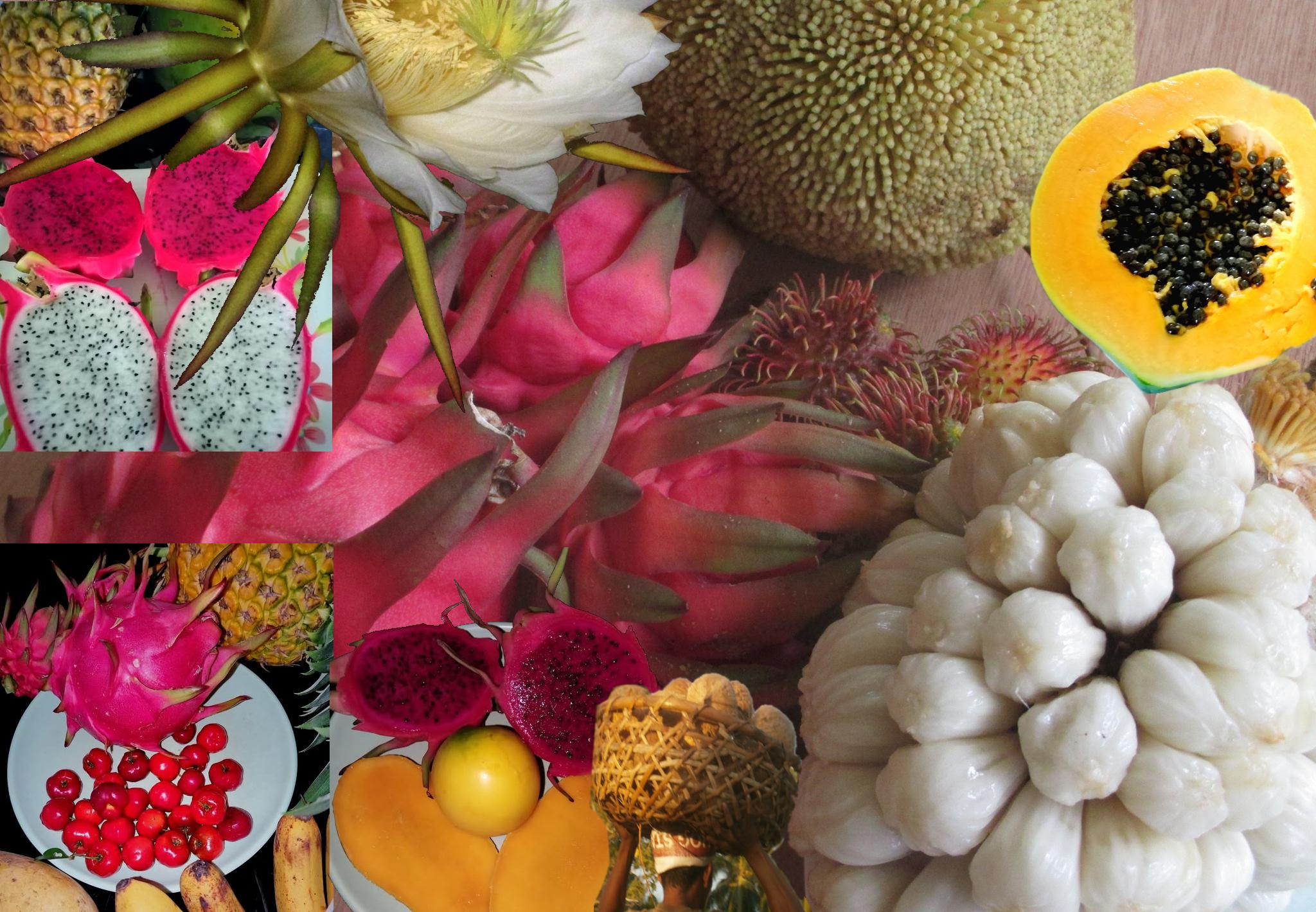
1. Introduction: A Tapestry of Tropical Flavors
The Philippines, an archipelago nation nestled in the vibrant heart of Southeast Asia, is globally recognized for its exceptional biodiversity. A significant and often underappreciated component of this natural wealth is its vast array of edible fruit trees. This tropical abundance transcends mere botanical classification; it contributes profoundly to the country’s food security, supports local economies, and forms an integral part of its rich cultural identity. Studies indicate that the Philippines is home to over 300 distinct species of edible fruit-bearing trees. Remarkably, more than half of these species are classified as endemic or indigenous to the archipelago, meaning they are found exclusively or originate naturally within its geographical boundaries. This statistic underscores the Philippines’ standing as a mega-diverse country and highlights a natural heritage that, despite its richness, often remains underutilized or insufficiently appreciated. The sheer scale and uniqueness of this botanical heritage reveal that the Philippines is not simply a location with fruit trees, but a significant global center of fruit diversity, much of which is found nowhere else on Earth. This suggests that the following discussion is not merely a compilation of a list, but an exploration of a vital natural resource with immense, yet potentially threatened, value.
This report is designed to serve as a comprehensive guide to the edible fruit trees found across the Philippine islands. A central objective is to clearly differentiate between species that are native to the archipelago and those that have been introduced over time but are now widely cultivated and consumed. For each fruit tree discussed, the report provides essential details, including its common names, local Filipino names, precise scientific classification, key physical and sensory characteristics (such as appearance, taste, and texture), and its primary uses, encompassing culinary, medicinal, and other applications. This structured approach aims to provide a valuable and accessible resource for a diverse audience, from botanical enthusiasts to agricultural practitioners and researchers.
Making a clear distinction between native and introduced fruit trees is crucial for several compelling reasons. Beyond botanical classification, this differentiation is fundamental for understanding and appreciating their unique ecological roles, assessing their specific conservation requirements, and recognizing their deep-seated cultural significance within the Philippine context. Native trees, in particular, are indispensable for maintaining the delicate ecological balance of the local environment, supporting the rich endemic biodiversity, ensuring vital water and soil health, and playing a critical role in mitigating the adverse effects of climate change. Their preservation is therefore not just an environmental concern but a holistic imperative for the nation’s sustainable future. The deep integration of these native species into the ecosystem suggests that their health and proliferation are directly tied to the overall environmental well-being and resilience of the Philippines.
2. Defining “Native” in the Philippine Context: A Nuanced Perspective
To provide clarity and precision in categorizing the diverse fruit trees of the Philippines, this report adopts a nuanced definition of “native,” acknowledging the complex botanical and historical realities of the archipelago. For the purpose of this guide, “native” refers to fruit trees that fall into one of the following categories:
- Endemic to the Philippines: These are species found exclusively within the geographical boundaries of the Philippine archipelago and naturally occur nowhere else in the world. Their unique distribution makes them particularly significant for conservation efforts. Examples include Garcinia binucao (Batuan), Dillenia philippinensis (Katmon), and Canarium ovatum (Pili nut).
- Indigenous to the Philippines and Broader Southeast Asia/Malesia: This category includes species that naturally occur in the Philippines as part of a wider native range spanning across Southeast Asia or the larger Malesian biogeographical region. These species have been present in the region for extensive periods, often predating significant human-mediated introductions. Prominent examples include Citrus × microcarpa (Calamansi), Artocarpus camansi (Kamansi), Sandoricum koetjape (Santol), Antidesma bunius (Bignay), Syzygium polycephaloides (Lipote), and Terminalia microcarpa (Kalumpit). While their range extends beyond the Philippines, their deep integration into Philippine ecosystems and culture warrants their classification as native within this context.
- Long-Established/Naturalized: These are species that, while potentially introduced by humans in prehistoric times, have become so deeply integrated into local Philippine ecosystems and cultural practices that they are functionally considered “native.” Their long presence has allowed them to naturalize and become an inseparable part of the local flora and traditional knowledge systems. A notable example is Syzygium cumini (Duhat), which is widely considered a local Philippine fruit despite its probable prehistoric introduction from Malaya.
This categorization acknowledges that the concept of “nativeness” exists on a spectrum. A simple native/non-native binary would fail to capture the complexity and deep cultural integration of certain species within the Philippines. This nuanced understanding is not merely academic; it has significant practical implications for conservation strategies and agricultural development. Strictly endemic species might require highly localized, in-situ conservation efforts due to their limited range and unique genetic makeup. In contrast, broadly indigenous or long-established naturalized species, while still important for biodiversity, might be more suitable for widespread cultivation and economic development due to their adaptability and existing cultural acceptance. This refined categorization helps to inform more effective policies for both ecological preservation and sustainable utilization, providing a more accurate and comprehensive picture of what “native” truly entails in a biodiverse and historically interconnected region like the Philippines.
The ecological importance of native trees in the Philippines cannot be overstated. They are paramount for maintaining the intricate balance and health of the country’s ecosystems. Native trees serve as essential natural habitats, supporting a wide array of endemic flora and fauna, which reinforces the Philippines’ global standing as one of the world’s most biodiverse areas. Their presence is crucial for protecting this unique biodiversity and preventing the extinction of native wildlife. Furthermore, native trees play a vital role in environmental services, including ensuring water security by improving water retention capacity in watersheds and preventing critical soil erosion. They are also inherently more resilient to local environmental stressors, such as pests and the frequent typhoon damage that affects the archipelago, offering superior adaptation and higher success rates in reforestation and ecological restoration efforts compared to non-native or exotic tree species. Beyond their ecological functions, native fruits are deeply interwoven into the fabric of Filipino society. They are central to traditional Filipino cuisine, agricultural practices, and cultural identity, embodying centuries of local knowledge, sustainable harvesting, and culinary adaptation. Their continued existence and utilization are therefore critical for safeguarding both natural heritage and cultural continuity.
3. Native and Long-Established Trees with Edible Fruits in the Philippines
This section provides detailed profiles of fruit trees that are either endemic to the Philippine archipelago, indigenous to the Philippines as part of a broader Southeast Asian/Malesian native range, or have been long-established and deeply naturalized within the country. These species represent a vital component of the Philippines’ unique botanical heritage and cultural identity. For each fruit, a comprehensive description is provided, covering its distinct appearance, characteristic taste and texture, and its various applications, including culinary uses, traditional medicinal properties, and other significant roles. Important notes on their ecological significance within the Philippine ecosystem and any identified conservation concerns, such as threatened status or challenges to their survival, are also highlighted.
Calamansi (Citrus × microcarpa)
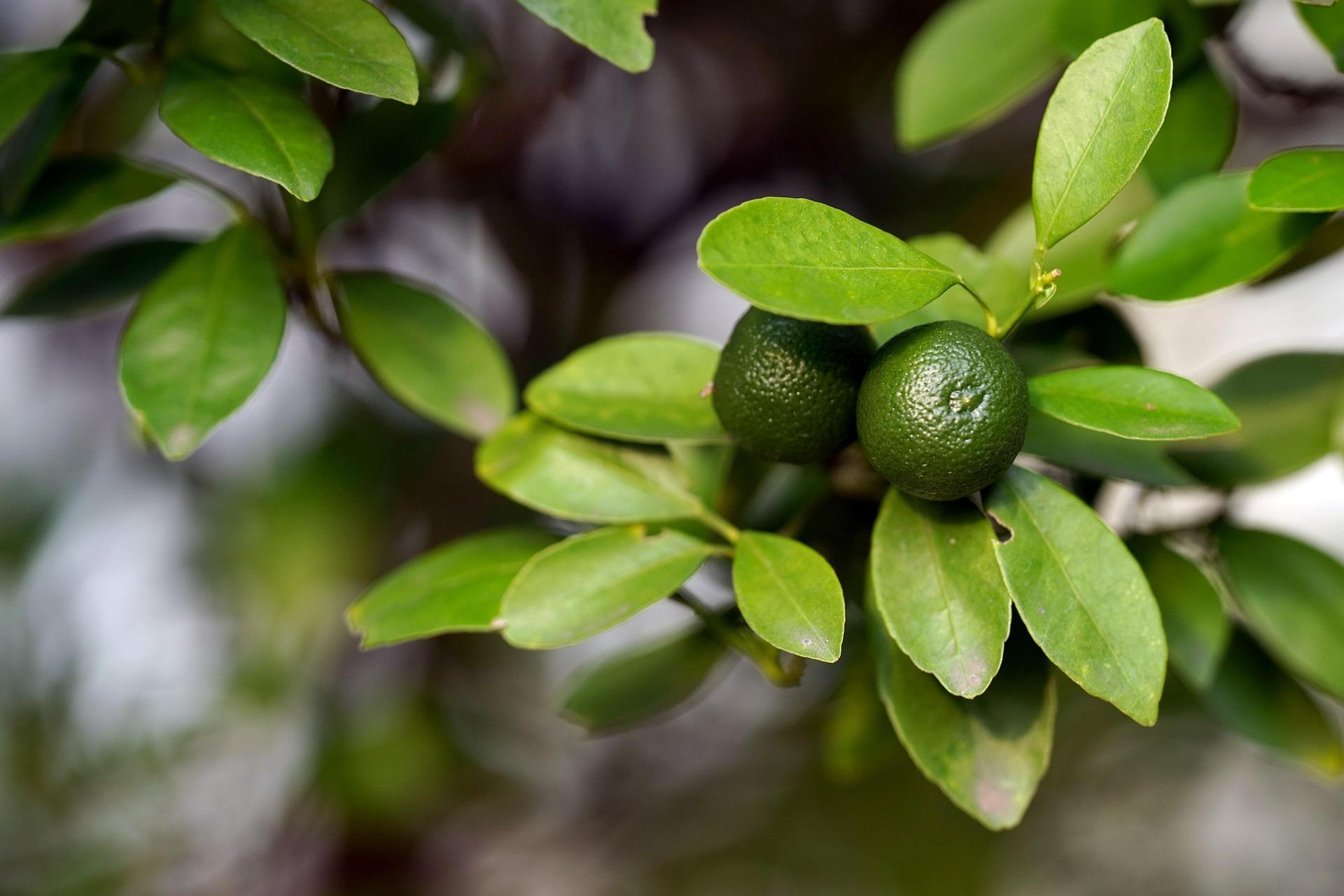
- Filipino Name: Calamansi, Calamondin, Philippine Lime, Philippine Lemon
- Native Status: Calamansi is indigenous to the Philippines, as well as parts of Indonesia (Borneo, Sumatra, Sulawesi), Malaysia, Brunei, Taiwan, and southern China. Significantly, the Philippines stands as the sole major producer of calamansi globally, underscoring its unique importance to the nation.
- Characteristics: This small, round citrus fruit typically measures between 25–35 mm in diameter, though it can sometimes reach up to 45 mm. It is green when unripe, gradually turning orange as it matures. The fruit features a very thin orange peel and a central pulp with an orange hue, resembling a tangerine. Each fruit contains 8 to 12 seeds. While the fruit’s juice is notably very sour, its peel possesses a surprising sweetness. The plant itself is a shrub or small tree, growing to a height of 3–6 meters, characterized by distinctive wing-like appendages on its leaf petioles.
- Primary Uses: Calamansi is an indispensable and ubiquitous ingredient in traditional Filipino cuisine. Its juice is widely used as a souring agent in iconic dishes like sinigang (a sour meat or seafood broth) and kinilaw (raw fish marinated in vinegar and/or citrus juices). It serves as a crucial component in marinades for fish, fowl, and pork, and is a staple condiment, often mixed with soy sauce (“toyomansi”) or fish sauce (“patismansi”) for various savory dishes, spring rolls, and dumplings. It is also characteristically provided sliced with almost all pancit (Filipino noodles) dishes to be squeezed over as desired. Beyond savory applications, calamansi juice is a popular Filipino beverage, akin to lemonade, and can be used in preserves like marmalade. The fruit is a significant source of vitamin C.
- Ecological/Cultural Note: Its deep integration into Filipino cooking highlights how native ingredients are fundamental to the national culinary identity. Its widespread cultivation and substantial export volume (160,000 to 190,000 metric tons annually) demonstrate its considerable economic importance for the Philippines, making it the fourth most widely grown fruit crop after banana, mango, and pineapple.
Pili Nut (Canarium ovatum)

- Filipino Name: Pili
- Native Status: Pili is unequivocally endemic to the Philippines. Its center of diversity is specifically located in the Bicol region, particularly around Mount Bulusan in Sorsogon, Albay, and Camarines provinces.
- Characteristics: This tropical tree can grow impressively, reaching heights of up to 20-25 meters, often with a buttressed trunk. The fruit is botanically classified as a drupe, typically ovoid to ellipsoid in shape, measuring 4-7 cm long. It features a fleshy pulp with a thin, smooth exocarp that transitions from light green to purple or nearly black upon maturity, encasing a hard, thick-shelled, triangular pit (endocarp) that houses a single edible seed—the pili nut. The kernel, when raw, offers a flavor reminiscent of roasted pumpkin seeds, while roasting transforms it into a nutty, waxy texture akin to a pine nut. Beyond the nut, the young shoots and the fruit pulp are also edible.
- Primary Uses: Pili is primarily cultivated for its highly valued edible kernels, which constitute a significant source of fat and protein in the local diet. The nuts are consumed raw or roasted and are widely used in confectionaries. Powdered pili nuts are even utilized to extend chocolate. The young shoots are incorporated into salads, and the fruit pulp, after being boiled and seasoned, resembles sweet potato in texture and food value, similar to avocado. The stony shells are not discarded; they serve as excellent fuel or as porous, inert growth media for orchids.
- Ecological/Conservation Note: The pili tree is classified as ‘Vulnerable’ on the IUCN Red List of Threatened Species. Despite its considerable local importance,C. ovatum has not achieved significant global trade or pantropical distribution. This limited dispersal is attributed to factors such as the historical presence of other Canarium species in other regions and a perceived lack of outstanding characteristics of its fruit. Commercial planting of pili is minimal, with most fruits collected from natural stands in mountainous areas near production centers. This highlights both its conservation challenge and untapped economic potential.
Kamansi (Artocarpus camansi)

_in_the_Philippines_textures_31.jpg)
- Filipino Name: Kamansi
- Native Status: Kamansi is indigenous to the Philippines, New Guinea, and Indonesia. The very scientific name, Artocarpus camansi, derives directly from its Tagalog name, “Kamansi,” underscoring its deep cultural and historical roots in the Philippines.
- Characteristics: This tree can grow impressively tall, reaching heights of 15 to 20 meters or more, with trunk diameters exceeding one meter. All living parts of the tree exude a characteristic whitish, sticky latex. It features large, hairy leaves, often over 24 inches long, with an alternate form dissected into six pairs of lobes. The fruit itself is fleshy, ovoid or oval-shaped, typically 5 to 8 inches long or longer, and can weigh 800 grams or more when mature. It is normally green in its undeveloped stage, transitioning to yellowish-green when ripe. The entire fruit surface is covered with spiny, soft textures, originating from the long tips of individual flowers. Kamansi is particularly cherished for its tasty, nutritious, and chestnut-like seeds, which are rich in protein but comparatively low in fat.
- Primary Uses: Immature kamansi fruits are commonly consumed as a vegetable, thinly sliced and used in soups and stews. However, the primary reason for cultivating kamansi is its highly valued seeds, which, when cooked, taste similar to potato or freshly baked bread – the breadnut – the seeded breadfruit.
- Ecological/Cultural Note: Kamansi thrives in low, alluvial forests with sandy base soil and is also frequently cultivated as a backyard tree. Birds and flying foxes are known to feed on its ripe fruits, playing a crucial role in seed dispersal to distant lands. It is the ancestor of the widely known breadfruit (Artocarpus altilis), a closely related species developed by humans through selection for more flesh and fewer seeds during their migration across the Pacific.
Lipote (Syzygium polycephaloides or Syzygium curranii)
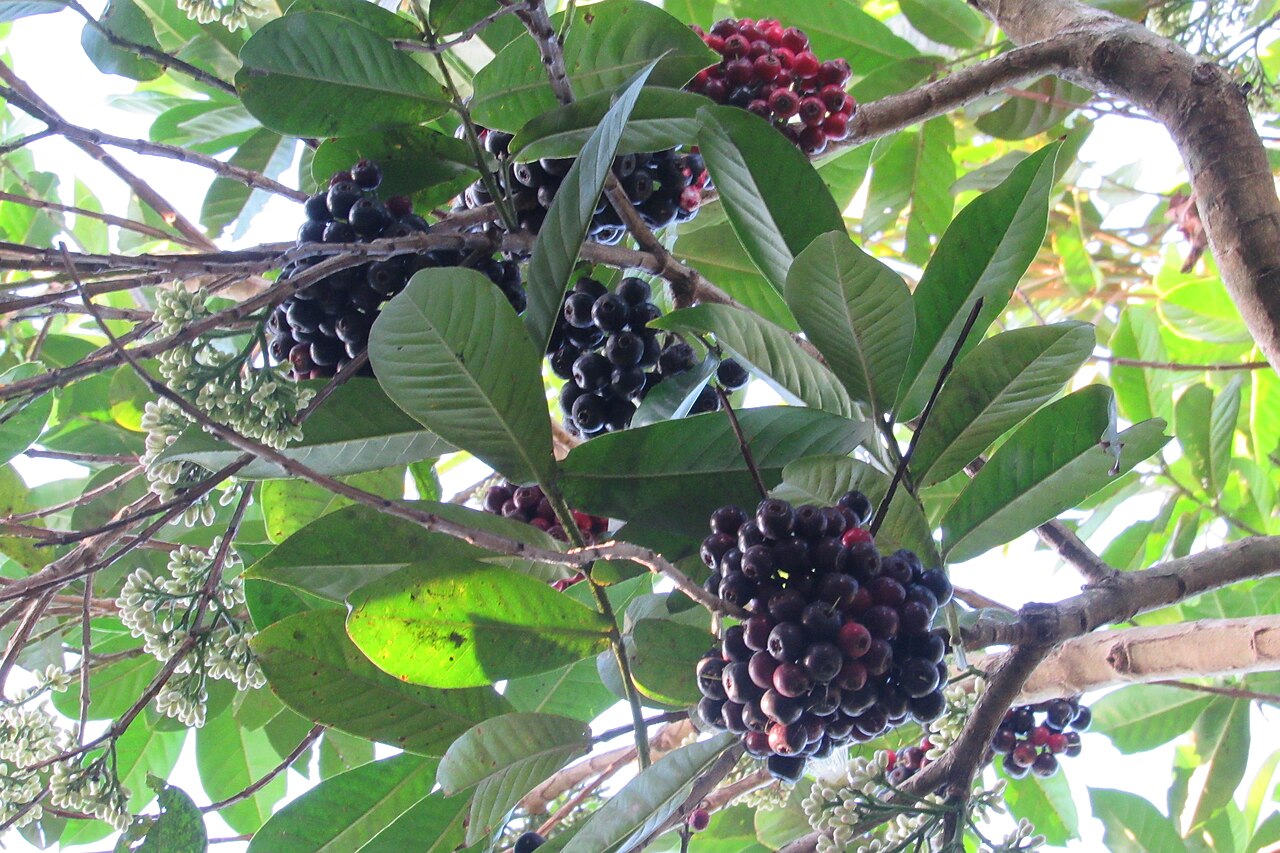

- Filipino Name: Lipote, Bahag, Baligang, Igot
- Native Status: Lipote is indigenous to the Philippines , with its native range also extending to southeastern Sulawesi and the Lesser Sunda Islands.
- Characteristics: This is a small to medium-sized evergreen fruit-bearing tree, capable of reaching a height of around 15 meters. Its leaves are oblong-lanceolate and alternate. The tree produces edible berries that are small (1-2.5 cm in diameter), round, and range in color from red to dark purple, growing in compact clusters of fifty or more fruits. The taste is described as crisp yet dry, with a mild sour flavor. Lipote fruits are a good source of vitamin C.
- Primary Uses: The fruits are commonly eaten fresh, often with a sprinkle of salt or sugar to balance their tartness. They are also widely processed into jellies, jams, preserves, juice, and wine. Beyond culinary uses, Lipote has reported medicinal properties; local communities traditionally use it to alleviate symptoms of diabetes, high blood pressure, high cholesterol, and coughs.
- Ecological/Conservation Note: Lipote is considered a quite rare plant, primarily found in primary forests at low to medium elevations. It is only occasionally cultivated for its fruit, with most of the harvest coming from wild trees. There is a concerning trend of decreasing Lipote populations, possibly due to the demand for its wood and a lack of conscious cultivation efforts. This highlights the urgent need for its protection and sustainable management to preserve both its ecological role and its valuable fruits.
Kalumpit (Terminalia microcarpa)


- Filipino Name: Kalumpit
- Native Status: Explicitly stated as originating from the Philippines. Its broader natural range includes parts of Malaysia, Indonesia (Java, Sulawesi, Borneo, Timor, Maluku Islands), Papua New Guinea, and northern Australia. Despite this wider distribution, it is considered native to the Philippines and deeply integrated into local livelihood and culture.
- Characteristics: Kalumpit is a fast-growing deciduous tree that typically reaches heights of 12 to 30 meters. It produces small, plum-like fruits that are characterized by a sweet and tart taste. These fruits are notably high in antioxidants and have demonstrated anti-inflammatory, anti-bacterial, and anti-fungal properties.
- Primary Uses: The fruits are consumed fresh or are traditionally processed into jams, jellies, and wines in the Philippines. Medicinally, kalumpit is used as a diuretic and to treat urinary tract infections, fever, diarrhea, and other respiratory infections. The wood of the kalumpit tree is also utilized for light construction.
- Ecological/Cultural Note: Beyond its direct uses, the kalumpit tree contributes significantly to environmental health by improving air quality and serving as a vital source of nectar for insects and birds, thereby supporting broader ecosystem reproduction. Its aesthetic appeal also makes it a popular choice for backyard planting in Filipino homes. The species is currently classified as ‘Least Concern’ by the IUCN , suggesting a relatively stable population compared to other native fruits, yet its cultural and livelihood importance means its endangerment would have significant local impacts.
Batuan (Garcinia binucao)

- Filipino Name: Batuan, Binukaw, Takway
- Native Status: Batuan is endemic to the Philippines. It grows as a wild tree primarily in the forests of Panay and Negros Islands and is considered “almost endemic” to the Western Visayas region.
- Characteristics: This wild tree typically grows to a height of 15–20 meters. Its fruits are round berries, approximately 4–5 cm in diameter, which are green when immature and turn yellow upon ripening. They contain 4–6 seeds within a juicy pulp. The taste is distinctively sour but not overly acidic, and it lacks a strong aroma.
- Primary Uses: Batuan fruits are edible raw, but they are most commonly utilized as a souring agent in traditional Filipino dishes, particularly in Visayan cuisine. It is considered a “star ingredient” in local specialties such as sinigang (a sour broth), KBL (a dish featuring kadyos (pigeon peas), baboy (pork), and langka (green jackfruit)), and the Ilonggo style paksiw. The fruits can also be preserved with salt.
- Ecological/Conservation Note: Batuan is primarily harvested from the wild and is not widely cultivated. This reliance on wild populations, coupled with threats from illegal logging and deforestation for agricultural expansion, is causing the species to become rare. A significant challenge for its broader utilization and commercialization is its short shelf life, as the fruits can easily rot within a few weeks. This highlights a critical need for sustainable harvesting practices and research into preservation methods.
Mabolo (Diospyros blancoi)


- Filipino Name: Mabolo, Kamagong
- Native Status: Mabolo is a native fruit-bearing tree of the Philippines. It is widely distributed and indigenous to the Philippines, with its native range also extending to eastern and southern Taiwan.
- Characteristics: Often referred to as the “velvet apple,” mabolo fruits are notable for their fine, velvety, reddish-brown fur-like covering. Resembling a santol in shape, the mabolo exhibits a much deeper color spectrum ranging from orange to reddish-brown to yellow. Typically measuring around 5–10 centimeters in size, it boasts a sweet taste that can vary from astringent to mildly sweet. The fruit has a soft, creamy, pink flesh, with a taste and aroma comparable to peaches. However, it is also known for an unpleasant odor, sometimes likened to rotten cheese or cat feces, which can be off-putting to some consumers.
- Primary Uses: Traditionally consumed raw, the mabolo is also utilized in salads. Some preparation methods involve peeling and seed removal, followed by soaking in brine for preservation. Despite its odor, efforts are being made to develop value-added products like mabolo cake, boat tart, and pancake to promote its nutritional benefits, as it is an ideal source of calcium, vitamin B, iron, and protein, and contains numerous phenolic compounds providing powerful antioxidants.
- Ecological/Conservation Note: The tree, known as Kamagong, is highly sought after for crafting antique furniture due to its dark, smooth, and durable wood. This high demand has led to its classification as an endangered species, and the Philippine government has banned the cutting of these trees without special permission to ensure their preservation. Mabolo holds significance in indigenous Philippine medicine and has been regarded as an ethnobotanical plant since the Austronesian era, with its fruits traditionally given to the elderly and infirm. This situation highlights a critical conflict between the high commercial value of the timber and the need to conserve the species for its ecological and nutritional contributions.
Katmon (Dillenia philippinensis)


- Filipino Name: Katmon
- Native Status: Katmon is endemic to the Philippines.
- Characteristics: This is a medium-sized evergreen tree that typically grows to a height of 10 to 15 meters. It is buttress-forming, shade tolerant, and features an erect trunk with branches starting midway. Its leaves are leathery, shining, ovate, elliptic or oblong-ovate, about 12 to 25 centimeters long, and coarsely toothed at the margins. The flowers are striking—white, large, showy, and about 15 centimeters in diameter, with reddish pistils and stamens. The edible fruits are rounded, approximately six to eight centimeters in diameter, with large fleshy sepals tightly enclosing the true fruit.
- Primary Uses: The fruit is edible, though its specific culinary applications are not extensively detailed in the provided information beyond its edibility. The tree is also harvested for its timber, which is suitable for furniture and cabinet making due to its beautiful silver grain, similar to quartered oak. A red dye can also be obtained from its bark.
- Ecological/Conservation Note: Katmon grows in low to medium altitude forests throughout the Philippines but does not survive cold climates. It is classified as ‘Near Threatened’ by the IUCN. Its ecological role includes potential for urban greening and its flowers are adapted to buzz pollination byXylocopa bees. The presence of this species in both primary and secondary forests indicates its adaptability, but its ‘Near Threatened’ status necessitates monitoring and conservation efforts.
Bignay (Antidesma bunius)


- Filipino Name: Bignay
- Native Status: Bignay is native to South Asia, Southeast Asia (including the Philippines), Melanesia, and northern Australia. While some sources suggest it may not be strictly native to the Philippines but rather widely naturalized from prehistoric introductions, it is deeply integrated into the local flora and culture.
- Characteristics: Bignay is a variable plant, ranging from a short, shrubby form to a tall, erect tree reaching up to 30 meters in height. It has large, oval-shaped, leathery evergreen leaves. The species is dioecious, meaning male and female flowers grow on separate trees. The flowers have a strong, somewhat unpleasant scent. The fruits are spherical, just under 1 cm wide, and hang in long, heavy bunches. They ripen unevenly, transitioning from white when immature to red, then black. The fruit has a sour taste when immature, similar to cranberry, and a tart but sweet taste when ripe. The skin contains red juice, while the white pulp has colorless juice.
- Primary Uses: The fruits are edible raw. In the Philippines, they are commonly used for making bignay wine, jams (either alone or combined with other fruits), desserts, and drinks. Unripe, sour fruits are sometimes used as a substitute for tomatoes or vinegar in Filipino dishes. The tender young leaves are also occasionally eaten with rice. Bignay fruits have also shown potential as a functional food for dyslipidemia, exhibiting pancreatic lipase inhibitory activity, bile acid binding capacity, and cholesterol micellar solubility inhibition.
- Ecological/Cultural Note: Bignay grows in rainforests and semi-evergreen tropical forests, and is common in the early stages of secondary forest succession. It can be easily propagated from seed and vegetatively. Despite its presence in the Philippines, it is rarely seen in cultivation compared to Indonesia, suggesting an opportunity for increased cultivation and yield improvement through selection and cloning.
Duhat (Syzygium cumini)


- Filipino Name: Duhat, Lomboy (is also known as jambul, jamboola, Java plum, jamun, jaam, kalojaam, jamblang, jambolan, black plum, Damson plum)
- Native Status: Duhat is widely considered a local Philippine fruit, though its origin is probably a prehistoric introduction from Malaya. It is deeply naturalized and popular across the country.
- Characteristics: The duhat fruit is oval, about 1 to 2 centimeters in length, and dark purple to black in color when ripe. It is fleshy and typically contains a single seed. The taste is characterized by a sweet-astringent flavor.
- Primary Uses: Filipinos commonly enjoy this tropical fruit fresh, often with rock salt to balance its astringency. Its juice can also be made into wine.
- Ecological/Cultural Note: Duhat trees are a common sight in the Philippines, reflecting their long-standing integration into local life. Their widespread presence and consumption highlight how certain introduced species can become culturally significant and functionally “native” over time due to their successful naturalization and adoption into local diets and traditions.
Santol (Sandoricum koetjape)

- Filipino Name: Santol
- Native Status: Native to Malesia. It is common in Southeast Asia, particularly in the Philippines.
- Characteristics: Santol is a round fruit, about the size of an apple, with a fuzzy, peach-like exterior. The edible pulp is soft, white, and cottony, covering five or six seeds. The flavor can range from sour to sweet depending on maturity and variety. The flesh can sometimes be difficult to separate from the seeds.
- Primary Uses: Santol is typically eaten fresh, including its inner rind. It is also cooked in dishes likeSinigang or Ginataang Santol with coconut milk.
- Ecological/Cultural Note: Santol is a widely recognized and consumed fruit in the Philippines, deeply embedded in local culinary practices. Its versatility in taste and use contributes to its popularity.
Tamarind (Tamarindus indica)

.jpg)
- Filipino Name: Sampaloc
- Native Status: While widely cultivated in tropical regions, its native status to the Philippines is not explicitly stated as endemic or indigenous to the archipelago itself, but it is deeply naturalized and culturally significant.
- Characteristics: Tamarind is a brown, pod-like fruit with a hard, brittle shell that encases a sticky, pulpy, acidic flesh. It is typically very sour when young, becoming sweeter as it matures.
- Primary Uses: In the Philippines, tamarind is usually very sour and primarily used as a souring agent in Filipino recipes, most notably in sinigang, where it is the most common souring agent. Unlike sweeter varieties found elsewhere, it is not typically eaten raw in the Philippines.
- Ecological/Cultural Note: Its essential role in a foundational Filipino dish like sinigang highlights its cultural importance, despite its broader tropical distribution.
Camachile (Pithecellobium dulce)


- Filipino Name: Camachile
- Native Status: Common in the Philippines and other tropical regions.
- Characteristics: This fruit has a curved, pod-like shape with a bumpy green exterior that splits open when ripe. Inside, it contains translucent pinkish-white arils (edible flesh) with hard, inedible black seeds. The taste is sweet and tangy, somewhat similar to tamarind but milder.
- Primary Uses: Typically eaten fresh, straight from the pod.
- Ecological/Cultural Note: Often found growing in people’s backyards, indicating its accessibility and integration into informal local food systems.
Star Apple (Chrysophyllum cainito)

- Filipino Name: Caimito, Kaimito
- Native Status: Grows in tropical climates. Its native status to the Philippines is not explicitly stated as endemic, but it is widely cultivated and consumed.
- Characteristics: Round in shape with purplish-green skin, about the size of an apple but much softer. When ripe, the skin is predominantly purple with hints of green. When cut horizontally, it reveals a distinctive star-shaped pattern. The flesh is translucent, soft, sweet, and delicious when chilled, with a gelatinous and slightly fibrous texture. Seeds are embedded in the flesh.
- Primary Uses: Typically eaten fresh by slicing in half and scooping the flesh with a spoon, discarding the seeds. It can also be used in desserts and beverages.
- Ecological/Cultural Note: Its unique appearance when sliced makes it visually appealing, contributing to its popularity.
Guava (Psidium guajava)


- Filipino Name: Bayabas
- Native Status: Widely available in tropical and subtropical regions. Its native status to the Philippines is not explicitly stated as endemic, but it is common and culturally integrated.
- Characteristics: A round green fruit with white flesh and many small, edible seeds. The flavor can range from sour to sweet. The flesh is sweet and slightly tart, with a fragrant aroma. Guava is said to be rich in vitamin C and vitamin A.
- Primary Uses: Commonly eaten fresh, including the rind. It can also be processed into candies, jams, or used as an ingredient in dishes likesinigang.
- Ecological/Cultural Note: Guava is a very common and popular fruit in the Philippines, valued for its nutritional content and versatility in both fresh consumption and culinary applications.
4. Introduced and Widely Cultivated Edible Fruit Trees of the Philippines
This section details fruit trees that are not native to the Philippines but have been introduced over time and are now widely cultivated, consumed, and hold significant economic or cultural importance within the country.
Mango (Mangifera indica L.)
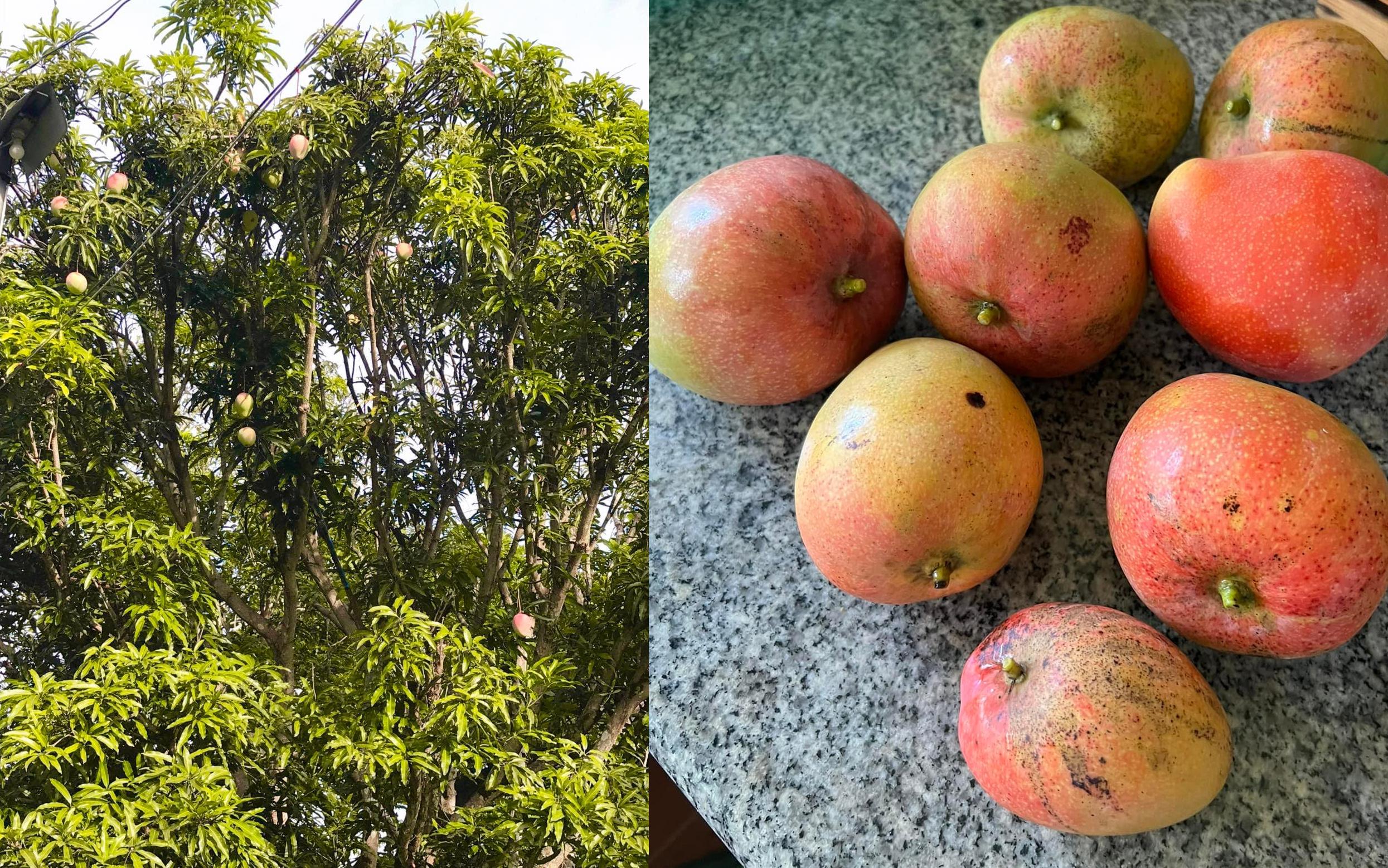
- Filipino Name: Mangga
- Origin/Status: While a significant fruit in the Philippines and the national fruit, its native status is not explicitly stated as endemic or indigenous to the Philippines. It is widely cultivated globally.
- Characteristics: Known for its nectary sweet flavor, this golden oval-shaped fruit is the national fruit of the Philippines. The most popular variety is the carabao mango (also known as Manila or champagne mango), which was listed in the 1995 Guinness Book of World Records as the sweetest mango in the world. There are 14 recognized strains, with famous ones including tablan and fresco mangoes of Guimaras and Sweet Elena mangoes of Zambales. Green, unripe mangoes are often paired withbagoong (fermented shrimp paste).
- Primary Uses: Eaten fresh, both ripe and unripe. Used in various desserts, juices, and as a component in savory dishes.
- Economic/Cultural Note: Mangoes are a cultural symbol of the Philippines and are celebrated with their own festival. The country is a major producer and exporter.
Banana / Plantain (Musa sapientuma / Musa acuminata × balbisiana)

- Filipino Name: Saging (for both banana and plantain)
- Origin/Status: Among the most popular fruits, harvested year-round. The Philippines is the second-largest exporter of bananas globally. Not explicitly stated as native to the Philippines.
- Characteristics: Dozens of varieties exist, including Lacatan, Latundan, Bungulan (dessert bananas), and Saba (plantain). Saba, a type of sweet plantain, is primarily used as a cooking banana, though it can be eaten raw when fully ripe.
- Primary Uses: Eaten fresh (dessert bananas). Saba is crucial in Filipino cuisine, used in desserts like banana cue or turon, and savory meat dishes like pochero or arroz a la cubana. It is also the key ingredient in Filipino banana ketchup.
- Economic/Cultural Note: Bananas are a staple food and a significant agricultural export, deeply integrated into the Filipino diet and economy.
Papaya (Carica papaya)


- Filipino Name: Papaya
- Origin/Status: Originally from the Americas, now widely cultivated in many tropical and subtropical parts of the world, including the Philippines.
- Characteristics: A popular tropical fruit. Ripe papaya is sweet and delicious.
- Primary Uses: Ripe papaya is eaten fresh. Unripe green papaya is a common ingredient in savory dishes like chicken tinola, lumpia, and ginataan. It is also julienned and pickled to make atsara, a popular relish.
- Economic/Cultural Note: Its versatility in both ripe and unripe forms makes it a valuable crop in Filipino households and cuisine.
Acerola Cherry / Barbados Cherry (Malpighia emarginata)

- Filipino Name: Malpi
- Origin/Status: Native to the Neotropics, specifically Central and South America and the Caribbean (Lesser Antilles, Brazil). It has been naturalized in some areas after cultivation, including Cuba, Jamaica, and Puerto Rico. While not native to the Philippines, it is cultivated and sold there.
- Characteristics: This fruit is small, round, and cherry-like, often with three obscure lobes, measuring 1.25–2.5 cm (0.5–1 inch) in diameter. It has bright red, thin, glossy skin when ripe. The pulp is very juicy, ranging from sour to sweet, and tart. It is exceptionally rich in Vitamin C, containing up to 20 times more than an equal amount of orange, and also provides Vitamin A, B vitamins, calcium, phosphorus, iron, fiber, and antioxidants. The fruit is highly perishable, spoiling within 3–5 days after harvest, and loses nutritional potency quickly. The plant is an evergreen shrub or small tree, typically 1.8–3 meters (6–10 feet) tall, but can reach up to 6 meters (20 feet). Its leaves can have minute stinging hairs.
- Primary Uses: Acerola is primarily eaten fresh, often mixed with salt or sugar to balance its tartness. It is widely used in juices, smoothies, jams, concentrates, syrups, sauces, liqueurs, and desserts like ice cream and puddings. Due to its high Vitamin C content, it is commonly consumed to fight colds, boost immunity, and support overall health. Its astringent properties may help with skin and digestive issues. The fruit is also processed into powdered forms for supplements or used as a bread improver. Traditionally, its juice has been used to soothe sore throats and coughs. The bark contains tannin for dying leather, and the wood is dense and hard.
- Economic/Cultural Note: Due to its extreme perishability, fresh Acerola is difficult to transport and sell commercially, leading to its widespread availability in supplement forms (powdered or capsulated) rather than fresh fruit. Despite this, it is cultivated in the Philippines, with plants, cuttings, and seeds available for sale, indicating its presence in local gardening and informal markets. It is favored by growers for its productivity and low maintenance, with varieties bred for thicker skin and longer shelf life for transportability.
Pineapple (Ananas comosus)

- Filipino Name: Pinya
- Origin/Status: One of the most well-known tropical fruits, common in the Philippines. Not explicitly stated as native, but the Philippines is a major cultivator.
- Characteristics: Rich in vitamin C and manganese.
- Primary Uses: Eaten fresh or canned. Commonly used as an ingredient in Filipino dishes like pininyahang manok and chicken afritada due to its sweet and sour taste. Its leaves are woven intopiña fiber for traditional clothing like barong tagalog.
- Economic/Cultural Note: Pineapple holds cultural significance, being a cultural symbol alongside mangoes and calamondin.
Coconut (Cocos nucifera)

- Filipino Name: Buko (young coconut), Niyog (mature coconut)
- Origin/Status: Ubiquitous in the Philippines and a vital part of local culture and cuisine. Not explicitly stated as native, but it is one of the most important crops.
- Characteristics: A versatile fruit with both juice and flesh.
- Primary Uses: Coconut juice is enjoyed fresh, and the flesh is eaten raw or processed into coconut cream, milk, desiccated coconut, and oil. Used in many Filipino desserts and food products. The fruit and other parts of the tree are used for various products like brooms, polishers, utensils, and handicrafts.
- Economic/Cultural Note: Coconuts are a cultural symbol of the Philippines, deeply embedded in daily life and economic activities.
Soursop (Annona muricata)


- Filipino Name: Guyabano
- Origin/Status: Native to the Americas and the Caribbean, it is also common in parts of Southeast Asia like the Philippines.
- Characteristics: A prickly, elongated green fruit with a slightly acidic and citrusy taste when ripe, and a thick, creamy texture similar to banana. Its flesh is creamy and white with plenty of large, black seeds. The flavor is a blend of strawberry and pineapple with citrus hints.
- Primary Uses: Can be eaten ripe, but is often made into fresh fruit juices, shakes, candies, jams, and ice creams in the Philippines. Widely used in smoothies, juices, ice creams, and desserts.
- Economic/Cultural Note: Soursop season in the Philippines is typically August to November.
Custard Apple (Annona squamosa)


- Filipino Name: Atis
- Origin/Status: Not specified as native to the Philippines, but a favorite Filipino fruit for many.
- Characteristics: This exotic fruit has knobby green skin and white fruit flesh that reminds one of creamy custard when fully ripe. It has dozens of fleshy white segments, each with a seed that separates easily. The taste is sweet, creamy, and fragrant, similar to custard.
- Primary Uses: Often eaten fresh; the flesh is scooped out and consumed, discarding the large, black seeds. Also used in desserts and smoothies.
- Economic/Cultural Note: A popular fruit in the Philippines, enjoyed for its unique texture and sweetness.
Abiu (Pouteria caimito)
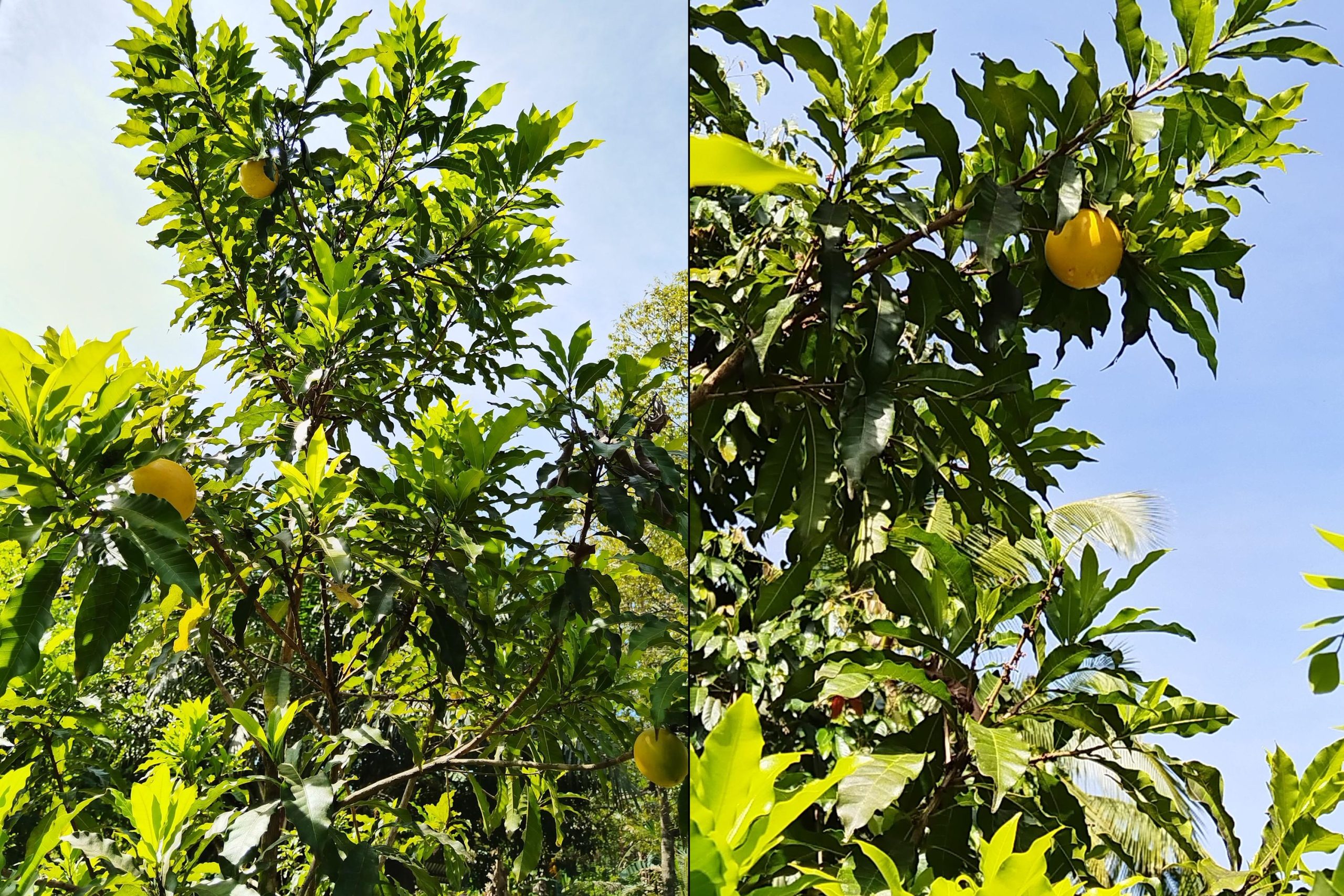
- Filipino Name: Abiu, Abio (no specific widely recognized Filipino name provided in research, often referred to by its English name)
- Origin/Status: Native to the Amazonian region of South America, Abiu has been distributed throughout the tropics, including Southeast Asia. It has been growing for a very long time in the Philippines and Indonesia, where it is considered endemic in some parts.
- Characteristics: This evergreen tree typically grows to an average of 10 meters high, but can reach up to 35 meters under good conditions. It produces ovoid to round fruits, 3–9 cm across, often with a short nipple at the apex. When ripe, the fruit has smooth, bright yellow skin. The inside contains a pale, translucent white pulp with a creamy and jelly-like texture. The taste is sweet and sugary, resembling caramel custard, with subtle hints of caramel, maple syrup, vanilla, and brown sugar. Each fruit contains one to four ovate seeds. Unripe fruits contain a gummy, unpalatable latex that hardens upon exposure to air, which lessens as the fruit matures. Abiu is rich in vitamins A, C, and B3 (niacin), as well as calcium, phosphorus, iron, and fiber.
- Primary Uses: Abiu fruit is edible and best consumed ripe. It is most popularly eaten fresh, scooped out with a spoon, or sliced and added to salads. It can also be used in smoothies, jams, ice cream, sherbets, and desserts like pannacotta, pudding, and cheesecakes. The fruit can be caramelized for a crème brûlée twist. In Brazil, it is traditionally used to soothe coughs and sore throats, and its latex is applied topically to skin issues and sores. The wood of the Abiu tree is also used as a construction material due to its dense, hard nature.
- Economic/Cultural Note: Mature Abiu trees are highly productive, yielding 100 to 1,000 fruits annually. Growers favor commercial varieties for their drought tolerance, heat resistance, and low maintenance. Varieties have been bred for thicker skin, longer shelf life, and improved flavor for transportability. The fruit’s flesh browns quickly once exposed to air, so it should be consumed immediately after opening, often with a squeeze of lemon or lime juice to enhance flavor. It is sometimes called “Wong Kum Kuo” in Southeast Asia.
Star Fruit (Averrhoa carambola)

- Filipino Name: Balimbing
- Origin/Status: Not specified as native to the Philippines, but common and culturally referenced.
- Characteristics: Distinctively-shaped with five ridges, it resembles small yellow-orange stars when sliced. It is rich in vitamin C and antioxidants and is considered a superfruit. The taste ranges from sour to mildly sweet, with a crisp and juicy texture.
- Primary Uses: Commonly eaten fresh or added to salads for its decorative shape.
- Economic/Cultural Note: The fruit’s shape has led to a cultural idiom where Filipino politicians with fleeting allegiances are sometimes called “balimbing,” meaning “two-faced”.
Sapodilla (Manilkara zapota)
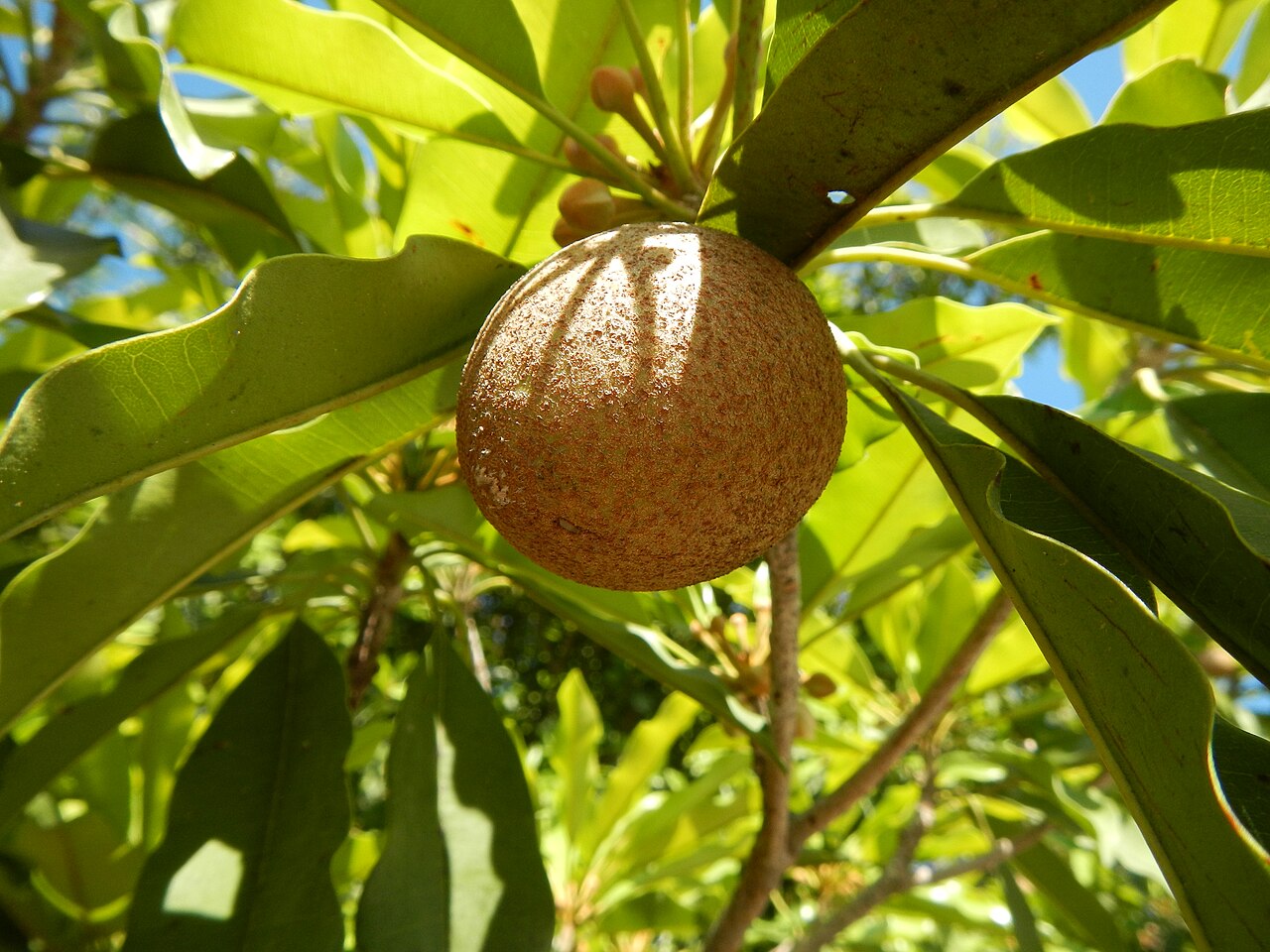

- Filipino Name: Chico
- Origin/Status: Cultivated in parts of Latin America, South Asia, and Southeast Asia. Not explicitly stated as native to the Philippines.
- Characteristics: A brown oval-shaped fruit that looks more like a potato, with a rough, brown skin and a grainy, fleshy interior. It has a soft and juicy pulp with a malty and sweet taste, and a slightly gritty texture similar to a pear. It’s regarded as a high-energy fruit teeming with antioxidants and minerals like iron, calcium, magnesium, potassium, and phosphorus.
- Primary Uses: Primarily consumed fresh.
- Economic/Cultural Note: Valued for its energy content and rich flavor.
Rambutan (Nephelium lappaceum)

- Filipino Name: Rambutan
- Origin/Status: Not specified as native to the Philippines, but common in tropical regions. Its name comes from the Malay wordrambut, meaning “hair”.
- Characteristics: Has a hairy exterior, with shades of red and green. The inside is a juicy, white aril (edible flesh) with a single large seed, similar in texture to lychee. It is sweet, slightly tangy, and refreshingly juicy. Typically not as sweet as longan or lychee and can be harder to eat, with a thicker rind that sometimes requires a knife to open, and flesh often harder to strip from the seed.
- Primary Uses: Eaten fresh; also used in desserts and beverages.
- Economic/Cultural Note: A popular and visually interesting fruit in Southeast Asia.
Lanzones (Lansium parasiticum)


- Filipino Name: Lansones
- Origin/Status: A popular Southeast Asian fruit. Not specified as native to the Philippines.
- Characteristics: Small, sweet tropical fruits with translucent, juicy flesh and a thin, easy-to-peel skin, clustered like grapes. The flesh has four or five segments, with the largest containing a seed. The sweetness varies greatly by origin; the best, from Camiguin Island, have a nectar-like sweetness.
- Primary Uses: Eaten fresh. Peel the skin gently, consume the juicy segments, and discard the bitter seeds.
- Economic/Cultural Note: Camiguin lanzones are so famous they have their own festival.
Durian (Durio zibethinus)

- Filipino Name: Durian
- Origin/Status: Can grow throughout the Philippines. Not explicitly stated as native, but common in Southeast Asia.
- Characteristics: Known for its thorny rind and strong, pungent odor (likened to rotting flesh), but past the smell, it has soft, indescribably delicious fruit reminiscent of custard flavored with almonds. People either love or hate it. The inside is a creamy, yellowish flesh with large seeds. The seeds are edible when properly cooked.
- Primary Uses: Eaten fresh; also used in sweets and desserts.
- Economic/Cultural Note: The best varieties are said to come from Mindanao, specifically Davao. Often called the “king of fruits”.
Mangosteen (Garcinia mangostana)


- Filipino Name: Mangosteen
- Origin/Status: Common in the Philippines and other Southeast Asian countries like Thailand, Malaysia, and Indonesia. Not explicitly stated as native.
- Characteristics: A round fruit with a thick, dark purple, hard, and inedible rind. The inside is the edible portion, with white, segmented pieces similar to citrus containing a large seed in each segment. It has a sweet taste with hints of acidity, with higher quality leading to less sourness. The texture is soft, juicy, and slightly fibrous.
- Primary Uses: Eaten fresh; also used in desserts and beverages.
- Economic/Cultural Note: Often called the “Queen of Fruits”.
Lychee (Litchi chinensis)


- Filipino Name: Litsiyas
- Origin/Status: Native to Southeast Asia and has been a favorite fruit of the Cantonese since ancient times. Not explicitly stated as native to the Philippines.
- Characteristics: A red fruit with rough skin, similar to longan and rambutan. The brittle outer covering encloses a translucent white fleshy aril and one large seed. It falls between longan and rambutan in sweetness and ease of eating; not as sweet as longan and flesh can be harder to strip from the seed. The flavor of the fresh pulp is aromatic and musky.
- Primary Uses: Usually eaten fresh but can also be canned or dried. Commonly eaten fresh or in canned, deseeded versions submerged in syrup, used in desserts likegulaman or buko fruit salad.
- Economic/Cultural Note: A popular fruit, especially for its sweet and aromatic pulp.
Longan (Dimocarpus longan)


- Filipino Name: Longan
- Origin/Status: Native to China and tropical Asia. Not explicitly stated as native to the Philippines.
- Characteristics: Has thin, pale brown skin that breaks apart to reveal juicy sweet flesh. Very similar to lychee and rambutan.
- Primary Uses: Eaten by popping the whole fruit in the mouth and spitting out the seed.
- Economic/Cultural Note: Described by some as the best of the three (longan, lychee, rambutan) due to its nectar-like sweet flavor and ease of separating from the seed.
Watermelon (Citrullus lanatus)

- Filipino Name: Pakwan
- Origin/Status: Not specified as native to the Philippines and Yes, Watermelon is a fruit.
- Characteristics: Considered the ultimate summer fruit. Filipino watermelons are almost perfectly round and a much darker shade of green compared to American ones. When ripe, the flesh is sweet, juicy, and satisfying.
- Primary Uses: Primarily eaten fresh.
- Economic/Cultural Note: A popular refreshing fruit, especially during hot seasons.
Cantaloupe (Cucumis melo var. cantalupensis)

- Filipino Name: Melon
- Origin/Status: Not specified as native to the Philippines.
- Characteristics: Popular for its sweet and juicy, honey-like flesh.
- Primary Uses: Typically eaten fresh or shredded into a refreshing drink with water, sugar, milk, and ice.
- Economic/Cultural Note: A common fruit for refreshing beverages and desserts.
Pomelo (Citrus maxima)

- Filipino Name: Suha
- Origin/Status: Not specified as native to the Philippines. Common in Southeast Asia.
- Characteristics: The largest citrus fruit, with a thick rind that can be green or yellow. It has segmented flesh that ranges from pale to deep pink. It is the principal ancestor of grapefruit but lacks its bitter taste. Its flesh is juicy and mildly sweet and sour, sweeter and milder than grapefruit, without being too bitter.
- Primary Uses: Typically eaten fresh, often with rock salt. Used in salads, beverages, and desserts.
- Economic/Cultural Note: A popular citrus fruit in the Philippines.
Spanish Plum (Spondias purpurea)
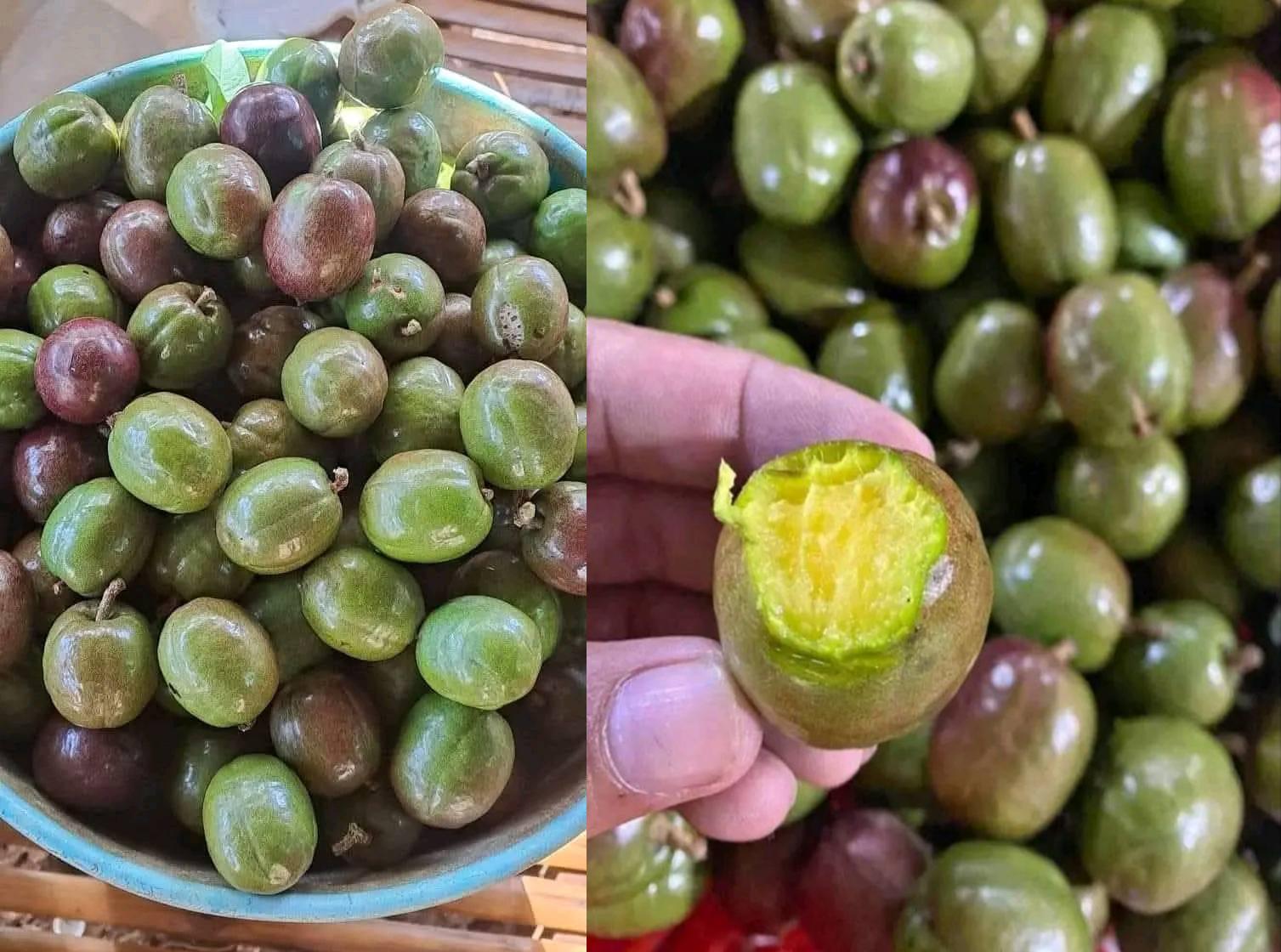
- Filipino Name: Siniguelas
- Origin/Status: Common in the Philippines and tropical regions of the Americas. Not explicitly stated as native to the Philippines.
- Characteristics: About the same size as rambutan, with a waxy appearance and colors varying from green to orange to red. The fruit is firm but softer than an apple, with edible skin and yellow juicy flesh. It is an extremely juicy fruit with a deliciously sweet and sour taste. The flesh is juicy and fibrous, clinging around a central pit. Starts tangy and grows sweeter as it ripens, similar to a plum and a mango. Ripe fruits are soft and juicy, while unripe ones are crisp and sour.
- Primary Uses: Typically consumed raw when fully ripe; the skin is edible. Eaten by biting into it and eating around the hard seed.
- Economic/Cultural Note: A seasonal fruit enjoyed for its sweet-sour balance.
Dalanghita (Citrus nobilis)

_from_the_Philippines.jpg)
- Filipino Name: Dalanghita, Naranjita, Sintones
- Origin/Status: Widely available in the Philippines. Not explicitly stated as native.
- Characteristics: Similar to mandarins and dalandan (Citrus aurantium) with easy-to-peel skin; typically remains green or turns yellow-green when ripe. The taste is sweet, slightly tart, and more fragrant than larger oranges.
- Primary Uses: Typically eaten fresh or juiced.
- Economic/Cultural Note: A common and accessible citrus fruit in local markets.
Muntingia (Muntingia calabura)


- Filipino Name: Aratilis
- Origin/Status: Native to the neotropics from Mexico to Bolivia. Common in tropical areas, especially in the Philippines.
- Characteristics: Small, about the size of cherry eggplants, starting green and turning bright red when ripe. They have thin skin and a soft, juicy pulp that bursts in the mouth, with a unique sweet taste and texture. Its juicy pulp is sweet and slightly tart, with very fine, edible seeds.
- Primary Uses: Typically found growing on trees in backyards or vacant lots rather than markets. Usually eaten fresh, right off the tree; also used in making jams or jellies.
- Economic/Cultural Note: A common backyard fruit, often enjoyed informally.
Marang (Artocarpus odoratissimus)

- Filipino Name: Marang, Loloi
- Origin/Status: Originated from Borneo and has been introduced into neighboring countries, including the Philippines, where it is cultivated. It belongs to the Moraceae family, which also includes jackfruit, breadnut, and mulberry.
- Characteristics: Marang is an evergreen tree that often grows to a height exceeding 25 meters. The fruit is round with a thick, rough exocarp (skin) and short, brittle spines. It is generally smaller than jackfruit. When ripe, marang produces a gasoline-like, sweet scent. Its taste is similar to jackfruit. Each fruit can contain an average of close to 100 edible seeds. Marang contains polyphonic compounds and has shown hypoglycemic properties.
- Primary Uses: Primarily eaten as a fresh fruit, with a taste similar to jackfruit. It has potential medicinal benefits, exhibiting glucose-lowering activity comparable to Acarbose, a drug used for type-2 diabetes.
- Economic/Cultural Note: Marang is abundant in marginal and hilly areas of Mindanao, Laguna, and Oriental Mindoro in the Philippines. It is considered a “volunteer crop” as it matures and bears fruit with minimal to no agricultural management requirements, allowing farmers to easily harvest it. Despite being relatively unpopular and undervalued, it has considerable market potential for customers in the Visayas and Luzon regions. However, there are challenges in bringing marang from the farm to the market. The fruit is also a host for fruit flies.
Jackfruit (Artocarpus heterophyllus)

- Filipino Name: Langka
- Origin/Status: While its specific native status to the Philippines is not explicitly stated, it is a common and widely cultivated fruit in the country, belonging to the Moraceae family, which also includes cempedak, breadnut, and mulberry.
- Characteristics: Jackfruit is a large and heavy fruit with a thick, bumpy rind. When opened, it contains dozens of yellow, waxy segments, each with a seed. When eaten raw, the ripe fruit is sweet but not overly so, with a relatively dry and robust texture that is soft but slightly crunchy.
- Primary Uses: Ripe jackfruit is commonly eaten raw. It can also be bottled in syrup for preservation or used in savory dishes when unripe, such as ginataang langka (jackfruit cooked in coconut milk), where it maintains a firm, sinewy texture reminiscent of meat.
- Economic/Cultural Note: Jackfruit is a versatile and delicious fruit, deeply integrated into Filipino cuisine for both its sweet ripe pulp and its use as a vegetable when unripe.
5. Final Thoughts
The Philippines possesses an extraordinary wealth of edible fruit trees, a botanical heritage that significantly contributes to its food security, economic vitality, and cultural identity. The analysis presented in this report underscores the profound diversity within this category, revealing over 300 species of edible fruit-bearing trees, with more than half being endemic or indigenous to the archipelago. This highlights the Philippines’ critical role as a global hotspot for fruit diversity, much of which remains unique to its islands.
A crucial distinction has been drawn between truly native species—those endemic or indigenous to the broader Malesian region1 but deeply integrated into Philippine ecosystems—and introduced species that have become widely cultivated and culturally significant. This differentiation is not merely for classification; it illuminates the varying ecological roles, conservation imperatives, and cultural embeddedness of these fruits. Endemic species, such as Pili nut, Batuan, and Katmon, represent irreplaceable components of the Philippines’ natural capital, demanding targeted conservation efforts due to their limited geographical range and vulnerability to habitat loss. Their preservation is essential for maintaining the delicate balance of local ecosystems and safeguarding unique genetic resources.
Conversely, widely naturalized species like Calamansi and Duhat, alongside economically vital introduced fruits such as Mangoes, Bananas, and Pineapples, demonstrate the dynamic interplay between natural heritage and human adaptation. These fruits, regardless of their origin, are deeply interwoven into the fabric of Filipino cuisine, agricultural practices, and daily life, supporting livelihoods and shaping culinary traditions. The extensive cultivation and export of fruits like Calamansi further illustrate their substantial economic contribution to the nation.
The findings collectively point to a dual imperative: the urgent need to protect and sustainably manage the Philippines’ unique native fruit tree species, many of which are threatened by deforestation and underutilization, and the continued promotion of diverse fruit cultivation, encompassing both native and well-adapted introduced varieties, to bolster food security and economic resilience. Recognizing the specific ecological value and conservation status of each fruit tree is paramount for developing effective strategies that support both environmental sustainability and human well-being in this mega-diverse nation.
1 The “Malesian region” refers to a biogeographical region encompassing a vast archipelago in Southeast Asia, including the Malay Peninsula, Sumatra, Java, Borneo, the Philippines, Sulawesi, and parts of New Guinea, among other islands.
Links / Sources:
Flowering Plants for Your Philippine Tropical Garden
If you need even more detailed information, try these links:
- Diversity and conservation status of indigenous fruit, https://www.ovcre.uplb.edu.ph/journals-uplb/index.php/EDJ/article/download/1155/922/
- The Importance of Native Trees – Forest Foundation Philippines, https://www.forestfoundation.ph/wp-content/uploads/2022/06/7_Native-Trees_Brief.pdf
- Canarium ovatum (pili nut tree) | CABI Compendium, https://www.cabidigitallibrary.org/doi/full/10.1079/cabicompendium.11140
- Batwan – Arca del Gusto – Slow Food Foundation, https://www.fondazioneslowfood.com/en/ark-of-taste-slow-food/batwan-2/
- Garcinia binucao – Wikipedia, https://en.wikipedia.org/wiki/Garcinia_binucao
- Canarium ovatum – Wikipedia, https://en.wikipedia.org/wiki/Canarium_ovatum
- Dillenia philippinensis – Wikipedia, https://en.wikipedia.org/wiki/Dillenia_philippinensis
- Calamansi – Wikipedia, https://en.wikipedia.org/wiki/Calamansi
- Antidesma bunius – Wikipedia, https://en.wikipedia.org/wiki/Antidesma_bunius
- Breadnut / Camansi: An Alternative to Chestnut, https://d-nb.info/999156373/34
- Philippines — Breadfruit Across the Pacific (History & Current Status), https://ulu.coop/philippines-current-status
- Syzygium polycephaloides – Wikipedia, https://en.wikipedia.org/wiki/Syzygium_polycephaloides
- Lipote – Arca del Gusto – Slow Food Foundation, https://www.fondazioneslowfood.com/en/ark-of-taste-slow-food/lipote/
- Kalumpit – Tree Tag Project, https://projecttreetag.ciit.edu.ph/ttp/2024/03/12/kalumpit/
- Terminalia microcarpa – Wikipedia, https://en.wikipedia.org/wiki/Terminalia_microcarpa
- Fruit Garden – Pinterest – Philippines, https://ph.pinterest.com/pin/640355640775957457/
- Duhat – Tonji and Sylvia’s Wildlife Refuge, https://sylviatramos.blog/tree-list-arranged-alphabetically-by-local-name/duhat/
- Canarium ovatum – Useful Tropical Plants,https://tropical.theferns.info/viewtropical.php?id=Canarium+ovatum
- Pili nut | Description, Tree, Nut, Nutrition, & Facts – Britannica, https://www.britannica.com/science/pili-nut
- Garcinia Binucao: (Propose Three Titles of Your Study) | PDF | Foods – Scribd, https://www.scribd.com/document/582938943/apostol-s-group
- Mabolo – Arca del Gusto – Slow Food Foundation, https://www.fondazioneslowfood.com/en/ark-of-taste-slow-food/mabolo/
- Diospyros blancoi – Wikipedia, https://en.wikipedia.org/wiki/Diospyros_blancoi
- Diospyros blancoi – PROSEA, https://prosea.prota4u.org/view.aspx?id=1499
- Dillenia philippinensis – ResearchGate, https://www.researchgate.net/publication/302397605_Dillenia_philippinensis
- Bignay, Antidesma bunius – Growables, https://www.growables.org/information/TropicalFruit/Bignay.htm
- Antidesma bunius – PROSEA – Plant Resources of South East Asia, https://prosea.prota4u.org/view.aspx?id=1473
- Filipino Fruits: 30 of the Most Delicious Fruits in… , https://www.willflyforfood.net/fruits-in-the-philippines/
- List of Fruit Bearing Trees Found in The Philippines, https://www.scribd.com/document/327152009/List-of-Fruit-Bearing-Trees-Found-in-the-Philippines
- Exploring Unique Filipino Fruits – Recipes by Nora, https://www.recipesbynora.com/exploring-unique-filipino-fruits/
- Potentially Important Food Plants of the Philippines, https://foodplantsolutions.org/wp-content/uploads/2021/06/Potentially-Important-Food-Plants-of-the-Philippines-V3.pdf
Any Questions?
If you have any questions, please use the contact form. I will be happy to answer them.